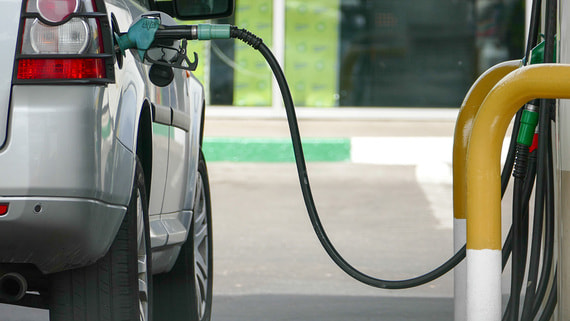
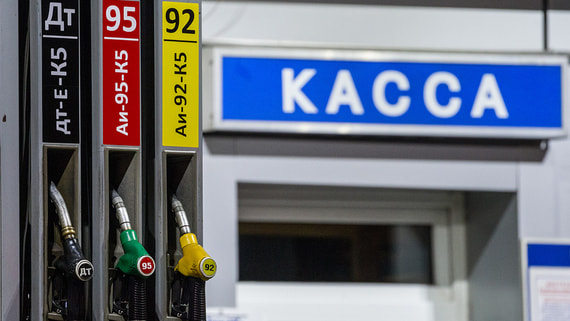
In a significant move to stabilize fuel prices and eliminate middlemen who have long profited from market inefficiencies, authorities are intensifying efforts to crack down on fuel speculators. The initiative aims to establish direct contractual relationships between fuel producers and retail gas stations, effectively cutting out intermediaries who have been accused of artificially inflating prices and creating supply chain disruptions. This restructuring of the fuel distribution market represents one of the most ambitious reforms in the energy sector in recent years, with potentially far-reaching implications for consumers, businesses, and the overall economy.
The Problem of Speculation in Fuel Markets
Fuel speculation has been a persistent problem in energy markets worldwide, with traders and intermediary companies often purchasing large quantities of fuel from refineries only to resell them at significantly marked-up prices. These speculators typically exploit gaps in supply chains, regional price differences, and temporary shortages to maximize their profits. In many cases, they add no real value to the distribution process but simply act as rent-seekers who extract wealth from both producers and consumers. Industry analysts estimate that speculative activity can add anywhere from 5 to 15 percent to the final retail price of fuel, representing a substantial burden on households and businesses alike.
The practice has become particularly problematic during periods of market volatility, such as during geopolitical crises, natural disasters, or sudden changes in global oil prices. During these times, speculators often hoard fuel supplies or engage in panic buying, exacerbating shortages and driving prices even higher. Small independent gas station owners have been especially vulnerable to these practices, as they lack the bargaining power and financial resources to secure favorable supply contracts directly with refineries.
The Case for Direct Contracts
Proponents of direct contracting between producers and retailers argue that this approach offers numerous advantages over the current system. First and foremost, it would establish more transparent and predictable pricing mechanisms, allowing gas station operators to plan their businesses more effectively and pass savings on to consumers. Direct contracts also create stronger accountability throughout the supply chain, as both parties have clear obligations and expectations that can be enforced through legal agreements.
Historical precedents suggest that direct contracting models can be highly effective in stabilizing commodity markets. In the agricultural sector, for example, programs that connect farmers directly with retailers have helped reduce price volatility and ensure more equitable distribution of profits. Similar approaches have been implemented in various countries’ energy sectors, with mixed but generally positive results. Industry experts point to Norway and certain Canadian provinces as examples where regulated direct relationships between fuel producers and distributors have helped maintain stable prices while ensuring adequate supply.
Implementation Challenges and Industry Response
Despite the potential benefits, implementing a widespread shift to direct contracts faces significant practical challenges. The existing network of fuel distributors and wholesalers employs thousands of workers and has built substantial infrastructure over decades. Any transition would need to account for these economic realities and provide pathways for affected businesses and employees. Additionally, some industry observers caution that completely eliminating intermediaries could reduce market flexibility and create new inefficiencies.
Major oil companies and refineries have expressed cautious support for reforms that would streamline distribution, though they emphasize the importance of maintaining competitive markets. Some have already begun establishing their own retail networks or preferred partner programs with independent gas stations. Meanwhile, gas station associations have largely welcomed the prospect of more direct relationships with producers, viewing it as an opportunity to improve their margins and operational stability. Consumer advocacy groups have been among the most vocal supporters of the initiative, arguing that ordinary citizens have borne the brunt of speculative pricing for too long.
Looking Ahead: Market Transformation
As the energy sector continues to evolve, with increasing attention to alternative fuels and electric vehicles, the structure of traditional fuel distribution networks will inevitably change. The push for direct contracts between producers and gas stations may be just one element of a broader transformation in how energy is delivered to consumers. Regulators and industry stakeholders will need to balance the goals of price stability, market efficiency, and fair competition as they navigate these changes. What remains clear is that the era of unchecked fuel speculation appears to be coming to an end, with potentially significant benefits for consumers and legitimate market participants alike.
Expert Opinion: The transition to direct contracting models in fuel distribution represents a necessary evolution of energy markets, though success will depend heavily on regulatory oversight and enforcement mechanisms. Industry analysts predict that countries implementing these reforms could see retail fuel price reductions of 8-12 percent within the first two years, while maintaining supply reliability. However, policymakers must remain vigilant against the emergence of new forms of market manipulation that could undermine these gains.