In an era of increasing geopolitical uncertainty and volatile global energy markets, nations around the world are reconsidering their approaches to energy infrastructure. One strategy gaining attention involves the development of distributed networks of small-scale oil refineries, commonly known as mini-refineries or modular refineries. While this approach promises enhanced energy security through geographical diversification, it comes with significant economic trade-offs that policymakers must carefully weigh against potential benefits.
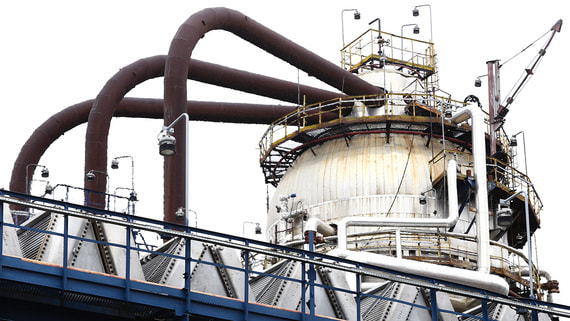
The concept of oil dispersal represents a fundamental shift from the traditional model of centralized mega-refineries that have dominated the petroleum industry for decades. Large refineries typically process between 200,000 to 600,000 barrels of crude oil per day, benefiting from substantial economies of scale that make each barrel of refined product cheaper to produce. Mini-refineries, by contrast, typically handle between 5,000 to 30,000 barrels daily, sacrificing efficiency for flexibility and resilience.
The Strategic Case for Decentralization
The primary argument favoring distributed refining networks centers on national security and supply chain resilience. When a country relies on a handful of large refineries, it creates critical vulnerabilities that can be exploited through military action, terrorist attacks, or natural disasters. The destruction or temporary shutdown of a single major facility can cripple fuel supplies across entire regions, as demonstrated during Hurricane Katrina in 2005 when Gulf Coast refinery outages caused nationwide fuel shortages in the United States.
A network of smaller, geographically dispersed refineries mitigates this concentration risk. If one facility goes offline, the remaining network can continue supplying local markets, preventing cascading failures throughout the energy system. This distributed model also reduces transportation costs and logistics complexities, as refined products need not travel as far to reach consumers. For countries with challenging geography or underdeveloped transportation infrastructure, regional mini-refineries can provide fuel independence to remote areas that would otherwise depend entirely on imported refined products.
Economic Challenges and Efficiency Losses
Despite the security advantages, the economic costs of transitioning to a mini-refinery network are substantial and cannot be ignored. The petroleum refining industry has evolved toward consolidation precisely because larger facilities achieve dramatically lower per-unit production costs. A modern mega-refinery can produce gasoline, diesel, and other petroleum products at margins that mini-refineries simply cannot match. Industry analysts estimate that operating costs per barrel at small-scale facilities can be 30 to 50 percent higher than at their larger counterparts.
Construction costs present another significant hurdle. While individual mini-refineries require less capital investment than mega-refineries, building an equivalent total processing capacity through multiple smaller facilities proves considerably more expensive. The redundancy inherent in multiple independent facilities means duplicating control systems, safety equipment, storage facilities, and administrative functions across numerous sites. Workforce requirements also multiply, as each facility needs trained operators, maintenance personnel, and management regardless of size.
Environmental compliance adds further complexity to the mini-refinery model. Modern emissions control systems and waste treatment facilities represent significant fixed costs that become prohibitively expensive when spread across limited production volumes. Regulatory oversight becomes more challenging as authorities must monitor numerous facilities rather than a few large, well-established operations. This regulatory burden can increase operational costs while potentially leading to inconsistent environmental performance across the distributed network.
Finding the Right Balance
The optimal approach likely lies somewhere between complete centralization and full dispersal. Many energy strategists advocate for a hybrid model that maintains several large, efficient refineries to handle baseline demand while supplementing them with strategically positioned smaller facilities in critical regions. This approach captures some economies of scale while still providing geographic redundancy and supply chain resilience. Countries like Nigeria and Indonesia have experimented with such hybrid approaches, though with mixed results depending on local governance and market conditions.
Technological advances in modular refinery design continue to narrow the efficiency gap between large and small facilities. Modern mini-refineries increasingly incorporate automation and advanced process control systems that reduce labor requirements and improve product yields. Some newer designs can be factory-built and transported to installation sites, reducing construction timelines and costs. As these technologies mature, the economic case for distributed refining may strengthen, though significant gaps remain compared to established mega-refinery operations.
Expert Opinion: The debate over centralized versus distributed refining infrastructure ultimately reflects broader questions about how nations should balance efficiency against resilience in critical systems. While mini-refinery networks will likely remain more expensive per barrel of refined product, the insurance value they provide against supply disruptions may justify premium costs in an increasingly uncertain world. Policymakers should conduct thorough cost-benefit analyses that account for both direct economic impacts and harder-to-quantify security benefits before committing to major infrastructure transitions.