
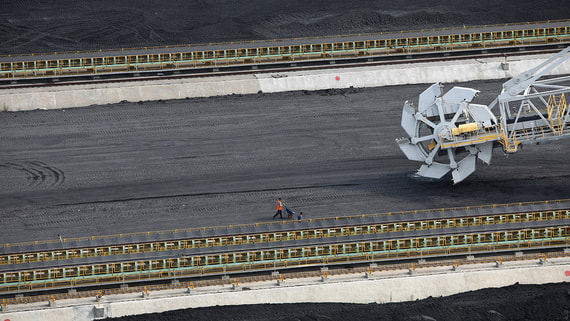
Russia’s coal export volumes have demonstrated significant growth during the first seven months of 2024, rising by approximately 7% compared to the same period last year. This notable increase comes as international coal markets experience improved pricing conditions and robust demand from key Asian markets, particularly India and Southeast Asian nations. The uptick marks a significant development for Russia’s energy sector, which has been navigating complex geopolitical challenges and shifting trade patterns since 2022.
The expansion in coal shipments reflects Russia’s successful pivot toward Asian markets following the imposition of Western sanctions and import bans. European countries, which were once major consumers of Russian coal, have largely ceased purchases as part of broader economic measures. However, developing economies in Asia have stepped in to fill this gap, driven by their growing energy needs and industrialization processes. This geographical reorientation of Russian coal exports has become a defining feature of global energy trade in recent years.
Price Recovery Drives Export Growth
The improvement in global coal prices has been a crucial factor supporting the expansion of Russian exports. After experiencing volatility throughout 2023, international coal benchmarks have stabilized at levels that make Russian supplies competitive despite increased shipping distances and logistical complexities. Industry analysts note that Russian exporters have managed to offer attractive pricing to Asian buyers, even accounting for higher transportation costs associated with longer maritime routes to destinations in India and Southeast Asia.
The pricing dynamics in the coal market have been influenced by several factors, including weather-related disruptions to production in other major exporting nations like Australia and Indonesia. Additionally, natural gas price fluctuations have periodically made coal more attractive for power generation in certain markets. Russian coal producers have capitalized on these conditions, expanding production capacity and investing in infrastructure to maintain export competitiveness. The average export price for Russian thermal coal has reportedly improved by several percentage points compared to the depressed levels seen in late 2023.
India and Southeast Asia Emerge as Key Markets
India has emerged as the most significant destination for Russian coal exports, with the country’s rapidly expanding economy driving substantial increases in energy consumption. Indian power plants and industrial facilities have increased their reliance on Russian coal imports, attracted by competitive pricing and reliable supply arrangements. The South Asian nation’s coal consumption continues to grow as it seeks to meet the electricity demands of its 1.4 billion population while simultaneously pursuing industrial development goals.
Southeast Asian nations including Vietnam, Thailand, and the Philippines have similarly increased their purchases of Russian coal. These countries face growing energy requirements as their manufacturing sectors expand and urbanization accelerates. Despite global climate commitments and the push toward renewable energy sources, coal remains a crucial part of the energy mix for many developing Asian economies due to its affordability and the existing infrastructure built around coal-fired power generation. Russian suppliers have established new trade relationships and shipping routes to serve these markets more efficiently.
Logistics and Infrastructure Developments
Supporting this export growth has required significant investments in transportation infrastructure, particularly in Russia’s Far Eastern regions. The expansion of railway capacity along key routes to Pacific ports has been a priority for Russian authorities and coal producers alike. Ports in the Russian Far East have undergone upgrades to handle increased coal volumes, with new terminals and enhanced loading facilities coming online to meet growing export demand. These infrastructure improvements have helped reduce bottlenecks that previously constrained export capacity.
Despite these advances, challenges remain in the logistics chain. Railway congestion during peak shipping periods continues to affect some exporters, and the capacity of certain port facilities remains stretched. Industry participants have called for continued investment in infrastructure to fully capitalize on the opportunities presented by Asian market demand. The Russian government has indicated support for further development of eastern transportation corridors, recognizing their strategic importance for the country’s commodity exports.
Expert Opinion: The sustained growth in Russian coal exports to Asian markets demonstrates the resilience and adaptability of global commodity trade flows despite geopolitical pressures. Looking ahead, Russia’s coal export trajectory will likely depend on continued infrastructure investment and the pace of energy transition in key Asian markets. While short-term demand appears robust, exporters should remain cognizant of the accelerating shift toward cleaner energy sources that could reshape the market landscape over the coming decade.