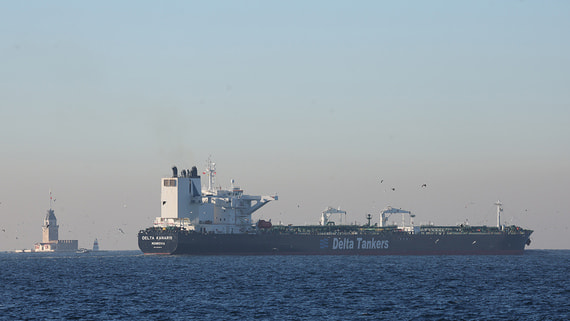
Global energy markets are bracing for significant price increases as leading analysts project a substantial 25 percent rise in average crude oil prices by 2026. This bullish outlook stems from persistent supply deficits in the world market, primarily driven by ongoing geopolitical tensions in the Middle East. The forecast highlights the fragile balance between global energy demand and the complex web of factors influencing oil production and distribution worldwide.
The current market dynamics reflect a perfect storm of supply constraints and robust demand. Middle Eastern conflicts have created unprecedented uncertainty in one of the world’s most critical oil-producing regions, home to approximately 30 percent of global crude oil output. These tensions have not only disrupted existing supply chains but have also raised serious concerns about future production capacity and the safety of key shipping routes through the Strait of Hormuz, through which roughly 20 percent of the world’s oil passes daily.
Geopolitical Tensions Reshape Energy Markets
The Middle East has long been the epicenter of global oil politics, and recent conflicts have only intensified this dynamic. Major oil-producing nations in the region, including Saudi Arabia, Iraq, Iran, and the United Arab Emirates, collectively hold approximately 48 percent of the world’s proven oil reserves. Any instability in this region sends immediate ripples through global energy markets, affecting everything from gasoline prices at local pumps to international trade balances. Historical precedents, such as the 1973 oil embargo and the 1990 Gulf War oil price shock, demonstrate how quickly regional conflicts can transform into global energy crises.
Industry experts point to several factors that could exacerbate the supply deficit in coming months. OPEC+ nations have maintained relatively tight production quotas, limiting the ability of major producers to quickly ramp up output in response to market demands. Additionally, years of underinvestment in new exploration and production infrastructure during periods of lower prices have constrained the industry’s capacity to respond to sudden demand surges. The International Energy Agency has repeatedly warned that current investment levels are insufficient to meet projected future demand, creating structural conditions for sustained price increases.
Economic Implications and Market Responses
A 25 percent increase in oil prices would have far-reaching consequences for the global economy. Higher energy costs typically translate into increased transportation expenses, elevated manufacturing costs, and ultimately higher consumer prices across virtually all sectors. Central banks worldwide would face difficult decisions about monetary policy, potentially needing to balance inflation concerns against economic growth objectives. Emerging economies, many of which are net oil importers, could face particular challenges as higher energy costs strain national budgets and trade balances.
However, not all market participants view rising oil prices negatively. Energy companies and oil-producing nations stand to benefit significantly from higher revenues, potentially enabling increased investment in both traditional fossil fuel production and renewable energy alternatives. Some analysts suggest that sustained high oil prices could accelerate the global transition to cleaner energy sources by making solar, wind, and electric vehicle technologies more economically competitive. Major investment banks have already begun adjusting their energy sector portfolios in anticipation of these market shifts.
Looking Ahead: Market Uncertainty and Strategic Considerations
As the world navigates this period of energy market volatility, governments and businesses alike are reassessing their energy security strategies. Strategic petroleum reserves, long considered insurance against supply disruptions, are receiving renewed attention as policymakers evaluate their adequacy for potential extended crises. Meanwhile, efforts to diversify energy sources and reduce dependence on Middle Eastern oil have gained momentum, though the transition away from fossil fuels remains a long-term process measured in decades rather than years. The projected price increases underscore the critical importance of energy policy decisions being made today, which will shape the global economic landscape for generations to come.
Expert Opinion: The projected 25% increase in oil prices by 2026 represents a conservative estimate given current geopolitical trajectories. Market observers should anticipate potential price spikes well beyond this average if conflicts escalate or if any major producing nation experiences significant production disruptions. Strategic diversification of energy sources and aggressive investment in alternative technologies will be essential for nations seeking to insulate their economies from this volatility.