
Russian energy analysts are projecting a controlled and moderate increase in gasoline prices through the remainder of the year, as the government implements a series of stabilization measures to address recent volatility in the domestic fuel market. The combination of export restrictions, increased imports, and direct supply arrangements to gas stations is expected to help maintain price stability for Russian consumers, according to industry experts and government officials.
The forecast comes amid ongoing concerns about fuel availability and pricing that have affected several regions across the country in recent months. Russian authorities have been actively working to balance domestic supply needs with the country’s role as a major global energy exporter, a challenge that has become increasingly complex given current international market dynamics and sanctions-related pressures.
Government Intervention Measures Take Effect
The Russian government has implemented several key interventions to stabilize the domestic fuel market. Most significantly, temporary export bans on gasoline and diesel have been introduced to ensure adequate domestic supply. This measure redirects petroleum products that would otherwise be sold on international markets back to Russian consumers, effectively increasing domestic availability without requiring immediate production increases.
Additionally, authorities have facilitated increased fuel imports from neighboring countries and established direct supply chains between refineries and retail gas stations. These direct supply arrangements bypass traditional wholesale distribution networks, reducing intermediary markups and helping to control end-consumer prices. Industry observers note that such measures represent a significant shift in how Russia manages its internal fuel distribution system.
Historical Context and Market Dynamics
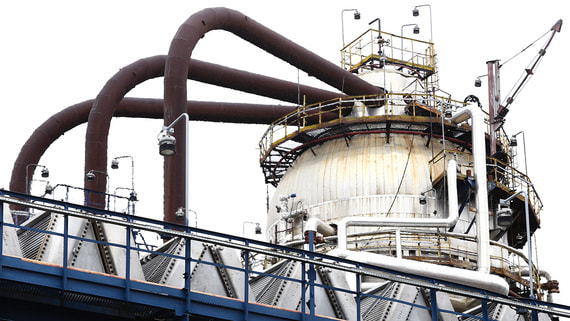
Russia’s fuel market has experienced periodic price fluctuations over the past several years, often linked to global oil price movements, refinery maintenance schedules, and seasonal demand patterns. The country operates one of the world’s largest refining networks, with major facilities located across its vast territory. However, the distribution of refined products to retail outlets across such an expansive geographic area presents ongoing logistical challenges.
The current stabilization efforts echo similar government interventions seen in previous years when fuel prices spiked unexpectedly. Russian authorities have historically been sensitive to fuel price increases due to their potential impact on inflation and consumer sentiment. The government maintains various regulatory mechanisms, including export duties and domestic price agreements with major oil companies, to manage retail fuel costs.
Industry Outlook and Consumer Impact
Energy sector analysts suggest that the moderate price growth expected through year-end reflects a carefully managed balance between market forces and regulatory intervention. While some upward pressure on prices is considered inevitable given global energy market conditions and domestic demand patterns, the implemented measures should prevent the sharp spikes that concerned both consumers and policymakers in recent months.
For Russian consumers, the forecast suggests relative price predictability at the pump through the end of the year. However, industry experts caution that longer-term price trajectories will depend on numerous factors, including global oil market developments, the duration of export restrictions, and the overall health of the Russian refining sector. The government has indicated it will continue monitoring the situation closely and adjust policies as needed to maintain market stability while ensuring adequate returns for domestic producers.
Expert Opinion: The Russian government’s multi-pronged approach to fuel market stabilization demonstrates a pragmatic response to complex supply chain challenges. While export restrictions provide short-term relief, sustainable price stability will ultimately require continued investment in refining capacity and distribution infrastructure. The key indicator to watch will be whether these emergency measures transition into longer-term structural reforms in how Russia manages its domestic energy market.