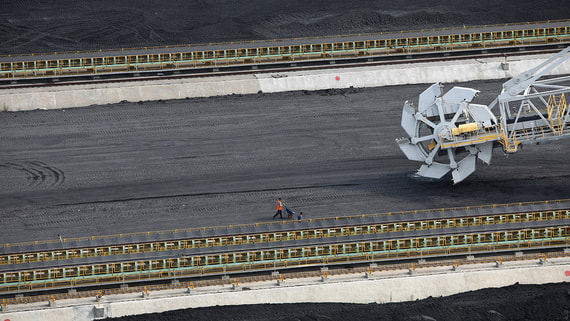
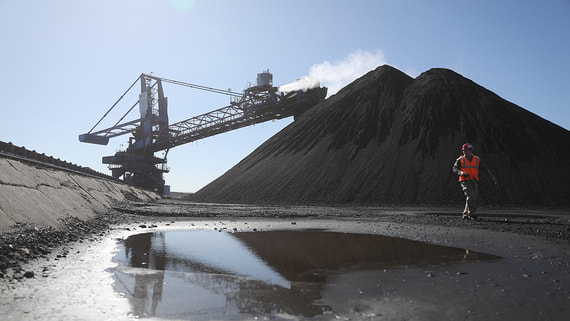
China has significantly ramped up its imports of coking coal from Russia during the first half of 2025, driven by attractive pricing and declining domestic production levels. This substantial increase in trade volume highlights the deepening energy relationship between the two neighboring nations and underscores the shifting dynamics in global commodity markets. The surge in Russian coal shipments to China comes at a time when Western sanctions continue to reshape traditional energy trade routes, pushing Moscow to seek alternative markets in Asia.
Market Dynamics Driving the Import Surge
The primary factors behind China’s increased appetite for Russian coking coal center on economics and domestic supply constraints. Russian coal exporters have offered highly competitive prices that have proven irresistible to Chinese steel manufacturers seeking to optimize production costs. Coking coal, also known as metallurgical coal, is an essential raw material in steel production, serving as both a fuel source and a chemical reducing agent in blast furnaces. As China maintains its position as the world’s largest steel producer, accounting for roughly half of global output, secure and affordable coking coal supplies remain a strategic priority for Beijing.
Domestic coal production challenges in China have further intensified demand for foreign supplies. Safety inspections, environmental regulations, and the gradual depletion of easily accessible coal reserves have constrained output at many Chinese mines. Several provinces have implemented stricter safety protocols following mining accidents in recent years, leading to temporary closures and reduced production capacity. These factors have created a supply gap that Russian exporters have been eager to fill, particularly as European markets have largely closed off following the imposition of sanctions.
Geopolitical Implications and Trade Realignment
The expansion of Sino-Russian coal trade reflects broader geopolitical shifts that have accelerated since 2022. Following Western sanctions on Russian energy exports, Moscow has pivoted decisively toward Asian markets, with China emerging as the primary destination for Russian fossil fuels. This realignment has been facilitated by existing transportation infrastructure, including rail links through Mongolia and the Russian Far East, as well as growing seaborne trade routes. Chinese ports along the northeastern coast have reported increased coal shipments, while border crossings have seen steady freight traffic growth.
Industry analysts note that this trade relationship benefits both parties significantly. Russia gains a reliable market for its substantial coal reserves at a time when access to European buyers has been severely restricted. China, meanwhile, secures discounted energy supplies that help maintain the competitiveness of its manufacturing sector. The price differential between Russian and Australian coking coal—historically China’s primary import source—has widened considerably, making Russian supplies increasingly attractive to cost-conscious buyers. Some estimates suggest Russian coal has been trading at discounts of 15 to 25 percent compared to benchmark Australian prices.
Future Outlook and Industry Perspectives
Looking ahead, the trajectory of Sino-Russian coal trade appears set to continue its upward trend, though several variables could influence volumes in coming months. China’s steel industry outlook, global commodity prices, and the pace of infrastructure development connecting the two nations will all play important roles. Investments in cross-border railway capacity and port facilities are underway, potentially enabling even greater trade volumes in future years. The Power of Siberia pipeline for natural gas has demonstrated the two countries’ willingness to develop major energy infrastructure projects, and similar momentum could benefit coal logistics.
However, China’s long-term commitment to carbon neutrality by 2060 introduces uncertainty into the outlook for coal imports over the longer horizon. While metallurgical coal faces fewer immediate substitution threats than thermal coal used in power generation, technological developments in green steel production could eventually reduce demand. For now, though, economic pragmatism appears to be guiding Chinese purchasing decisions, with Russian coal offering an attractive combination of price, proximity, and supply security that few alternative sources can match.
Expert Opinion: The dramatic increase in Russian coking coal imports reflects China’s strategic calculation to capitalize on market dislocations created by Western sanctions while addressing genuine domestic supply constraints. This trade relationship is likely to deepen further as both nations invest in transportation infrastructure, potentially establishing Russia as China’s dominant coking coal supplier by the end of this decade, fundamentally reshaping global metallurgical coal trade flows.