
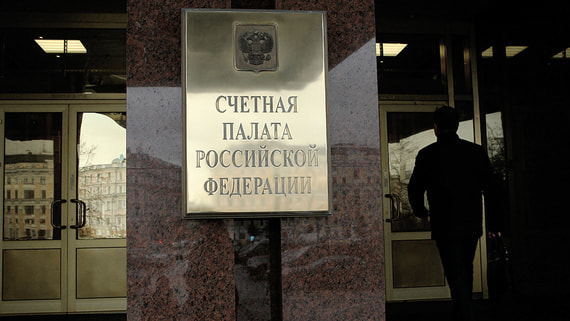
Russia’s Audit Chamber has initiated a comprehensive analysis of the effectiveness of tax incentives provided to information technology companies, marking a significant oversight effort in the country’s tech sector. According to reports, major players in the IT industry are being asked to submit documentation confirming their eligibility for various tax preferences and benefits. This audit comes at a critical time when the Russian government is evaluating the return on investment from its substantial support programs for the domestic technology sector.
The review signals growing scrutiny over whether the generous tax breaks introduced in recent years have achieved their intended goals of fostering innovation, retaining tech talent within Russia, and building a competitive domestic IT ecosystem. With the government having invested billions of rubles in tax relief measures, authorities are now seeking concrete evidence that these expenditures have translated into measurable economic benefits.
Background on Russia’s IT Tax Incentive Program
Russia introduced sweeping tax benefits for IT companies as part of a broader strategy to develop its digital economy and reduce dependence on foreign technology solutions. The most significant package of measures was implemented in 2020, when the government reduced the corporate income tax rate for qualifying IT companies from the standard 20 percent to just 3 percent. Additionally, social insurance contributions were slashed from approximately 14 percent to 7.6 percent, making it significantly cheaper for tech firms to employ skilled workers.
These incentives were designed to address several pressing challenges facing the Russian technology sector. Brain drain had become a serious concern, with talented programmers and engineers seeking opportunities abroad where salaries were higher. By reducing the tax burden on IT employers, the government hoped to enable companies to offer more competitive compensation packages. Furthermore, the measures aimed to attract foreign investment and encourage the establishment of new technology ventures within Russia’s borders.
Scope and Methodology of the Current Audit
The Audit Chamber’s investigation is expected to examine multiple dimensions of the tax benefit programs. Investigators will likely assess whether companies claiming these preferences actually meet the eligibility criteria, which typically require that IT activities constitute at least 70 percent of total revenue. The audit will also evaluate the broader economic impact, examining metrics such as job creation, revenue growth, research and development investment, and the development of exportable technology products and services.
Industry experts suggest that this review may lead to refinements in how tax benefits are structured and administered. Some analysts have noted that the current system may inadvertently benefit companies that contribute little to genuine technological advancement while providing insufficient support to truly innovative startups that need assistance most. The audit findings could inform policy adjustments that better target incentives toward companies demonstrating genuine innovation and economic contribution.
Implications for the Russian IT Industry
The technology sector’s response to this audit will be closely watched by investors and industry stakeholders. Companies that have built their business models around these tax advantages may face uncertainty about their future profitability if benefits are reduced or eligibility requirements tightened. However, many industry leaders have expressed confidence that legitimate technology companies with robust documentation will have no difficulty demonstrating their compliance and the value they provide to the economy.
The timing of this audit also reflects broader geopolitical considerations. Following international sanctions imposed on Russia, the domestic IT sector has assumed even greater strategic importance as the country seeks technological self-sufficiency. This creates a delicate balance for policymakers who must ensure accountability in public spending while continuing to nurture a sector deemed vital to national economic security. The audit results may ultimately shape the future direction of Russia’s technology policy for years to come.
Expert Opinion: This audit represents a maturation of Russia’s approach to tech sector support, moving from blanket incentives toward more targeted, results-based policies. We can expect the Audit Chamber’s findings to trigger a recalibration of eligibility criteria, potentially introducing performance benchmarks that tie continued tax relief to measurable outcomes such as patent filings, export revenues, or domestic job creation. Companies that have genuinely contributed to technological advancement will likely see their benefits preserved or enhanced, while those exploiting loopholes may face increased scrutiny and potential clawbacks.