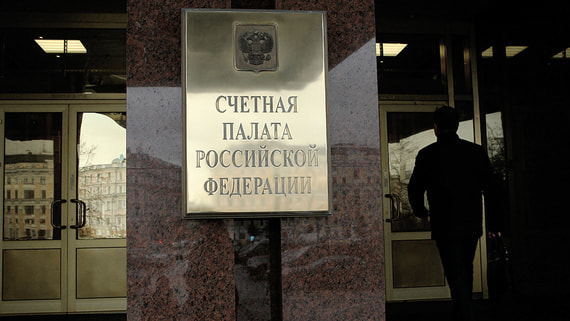

Russian customs authorities have significantly intensified their enforcement activities, with additional tax assessments following customs inspections increasing by approximately 25 percent during the first six months of the current year. This substantial growth in back payments reflects both enhanced scrutiny of import-export operations and improved audit methodologies employed by the Federal Customs Service. The development signals a broader trend of tightening fiscal controls as the government seeks to maximize revenue collection amid challenging economic conditions.
However, the actual recovery rate tells a more nuanced story. Despite the impressive figures in assessed additional payments, businesses have only remitted approximately 72 percent of the total amount demanded to the state budget. This gap between assessed and collected sums highlights the ongoing challenges faced by customs authorities in enforcing payment compliance and the various legal mechanisms companies employ to contest or delay such payments.
Background and Context of Customs Enforcement
The Federal Customs Service of Russia has been steadily expanding its audit capabilities over recent years, investing in digital tracking systems, data analytics, and cross-referencing technologies that allow inspectors to identify discrepancies in customs declarations more effectively. These technological improvements have enabled authorities to detect undervaluation of goods, incorrect tariff classifications, and other violations that result in underpayment of customs duties and taxes. The increased assessments are partly attributable to these enhanced detection capabilities rather than solely an increase in violations.
Historically, customs revenue has constituted a significant portion of the Russian federal budget, typically accounting for a substantial share of total government income. Import duties, value-added tax on imported goods, and excise taxes collected at the border represent critical revenue streams. In this context, the intensification of customs audits can be seen as part of broader fiscal policy aimed at ensuring maximum compliance and minimizing revenue leakage through improper declarations or outright evasion.
Business Impact and Compliance Challenges
The 28 percent gap between assessed and actually paid amounts reflects several factors affecting the business community. Many companies choose to appeal customs decisions through administrative and judicial channels, which can delay or ultimately reduce payment obligations. Russian law provides multiple avenues for contesting customs assessments, and businesses frequently utilize these mechanisms when they believe assessments are unjustified or excessive. Court proceedings can take months or even years to resolve, during which time the disputed amounts remain unpaid.
Additionally, some businesses facing substantial back payment demands may lack the financial resources to comply immediately, leading to payment plans or collection difficulties. The economic pressures facing many Russian companies, particularly those engaged in international trade, have intensified due to various external factors, making large unexpected tax bills particularly burdensome. Industry analysts note that small and medium-sized enterprises are especially vulnerable to such assessments, as they often lack the sophisticated compliance infrastructure of larger corporations.
Future Outlook and Regulatory Trends
Looking ahead, experts anticipate that customs enforcement will continue to intensify as authorities leverage increasingly sophisticated analytical tools and international information exchange agreements. The trend toward digitalization of customs procedures, while streamlining legitimate trade, also provides authorities with more comprehensive data for identifying potential violations. Businesses engaged in foreign trade operations are advised to strengthen their internal compliance procedures and maintain meticulous documentation to minimize audit risks.
The customs service has indicated plans to further enhance its audit capabilities, including expanded use of risk profiling systems and artificial intelligence-based analysis of trade patterns. These developments suggest that the trend of increased additional assessments may continue in coming periods, making proactive compliance more important than ever for companies operating in the import-export sector.
Expert Opinion: The 25% increase in customs back payments signals a fundamental shift toward more aggressive fiscal enforcement that businesses cannot afford to ignore. Companies engaged in international trade should anticipate continued scrutiny and invest in robust compliance frameworks, as the cost of non-compliance is rising substantially. The 72% collection rate, while seemingly indicating enforcement gaps, actually demonstrates that authorities are becoming more effective at recovering disputed amounts through persistent follow-up and improved legal strategies.