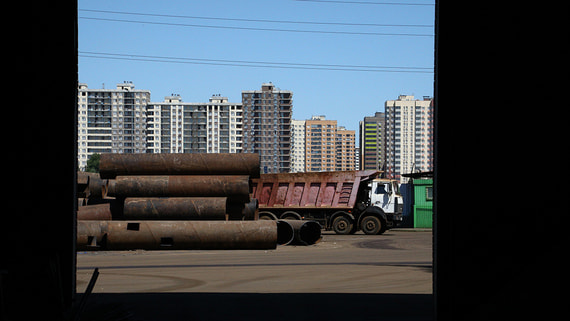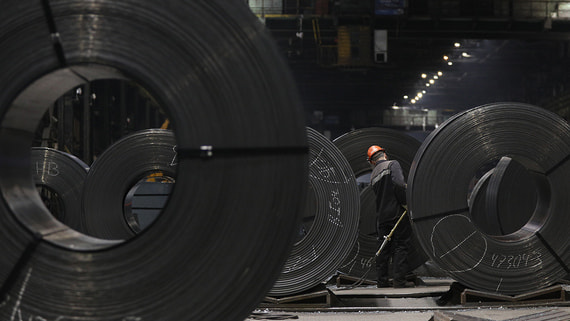
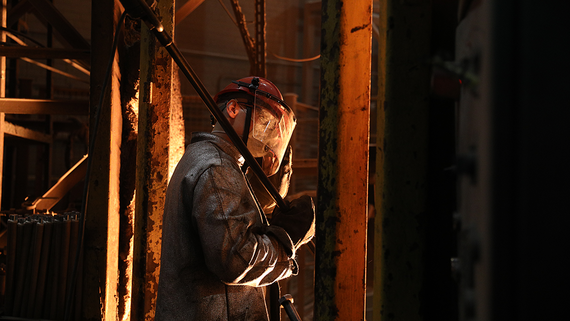
Russia’s Federal Antimonopoly Service (FAS) has announced it will investigate the substantial price increases observed in the steel rebar market, responding to growing concerns from construction companies and industry stakeholders. According to market analysts, this essential construction material has experienced dramatic price surges ranging from 30 to 49 percent since the beginning of the year, prompting questions about potential market manipulation or unjustified pricing practices by major producers.
The investigation comes at a critical time for Russia’s construction sector, which relies heavily on steel reinforcement bars for residential, commercial, and infrastructure projects. Steel rebar, a fundamental component in reinforced concrete structures, represents one of the most significant material costs in modern construction. The sharp price escalation has raised alarm bells across the industry, with developers warning that continued increases could delay projects and ultimately drive up housing costs for ordinary Russians.
Understanding the Price Surge and Market Dynamics
The magnitude of the price increase has caught many industry observers off guard. A 30 to 49 percent rise in just several months represents an extraordinary spike that far outpaces general inflation and typical seasonal fluctuations. Industry experts point to several potential factors that may have contributed to this surge, including rising energy costs, increased demand from major infrastructure projects, and disruptions in global steel supply chains that have affected raw material availability.
Russia’s steel industry has undergone significant changes in recent years, with producers adapting to shifting export markets and domestic demand patterns. The country remains one of the world’s largest steel producers, with major companies including NLMK, Severstal, MMK, and Evraz dominating the domestic market. Critics have long raised concerns about the concentrated nature of the industry, suggesting that a small number of large players may have disproportionate influence over pricing decisions. The FAS investigation will likely examine whether these market conditions have enabled producers to raise prices beyond what market fundamentals would justify.
Regulatory Response and Historical Precedent
The Federal Antimonopoly Service has a track record of intervening in commodity markets when price increases appear to exceed reasonable bounds. In previous years, the agency has launched similar investigations into various sectors, including fertilizers, fuel, and food products. These investigations can result in significant penalties for companies found to be engaging in anti-competitive practices, including price-fixing agreements or abuse of dominant market positions. The current probe into steel rebar pricing follows this established pattern of regulatory oversight.
Construction industry associations have welcomed the investigation, noting that the steep price increases threaten the viability of projects already under contract with fixed budgets. Many developers signed agreements based on earlier cost projections and now face difficult choices about how to absorb or pass along these unexpected expenses. Housing affordability, already a pressing concern in many Russian regions, could deteriorate further if construction costs continue their upward trajectory. Government officials have expressed particular concern about the potential impact on national housing programs designed to increase the supply of affordable residential units.
Broader Implications for the Construction Sector
The steel rebar price investigation reflects broader tensions in global construction materials markets, where supply chain disruptions, energy costs, and changing trade patterns have created unprecedented volatility. While Russia’s domestic steel industry is largely self-sufficient, it remains connected to global market dynamics through export channels and international raw material sourcing. The outcome of the FAS investigation could have significant implications not only for pricing practices in the steel sector but also for how Russian regulators approach commodity market oversight more broadly.
Industry analysts suggest that the investigation may take several months to complete, with preliminary findings potentially emerging before the end of the current quarter. Steel producers have generally maintained that price increases reflect genuine cost pressures and market conditions rather than any coordinated or anti-competitive behavior. However, the substantial gap between different analyst estimates of the price increase magnitude—ranging from 30 to 49 percent—suggests that market transparency itself may be an issue worthy of regulatory attention. Regardless of the investigation’s ultimate conclusions, the scrutiny has already brought renewed focus to the importance of competitive markets in essential construction materials.
Expert Opinion: The FAS investigation signals growing government concern about infrastructure cost inflation at a time when Russia is prioritizing major construction initiatives. If regulators find evidence of unjustified pricing practices, we could see not only penalties but also structural reforms aimed at increasing market transparency and competition. The outcome will likely set important precedents for how commodity pricing is monitored across multiple sectors in the coming years.