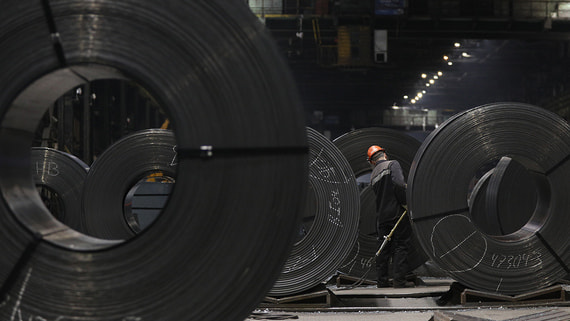
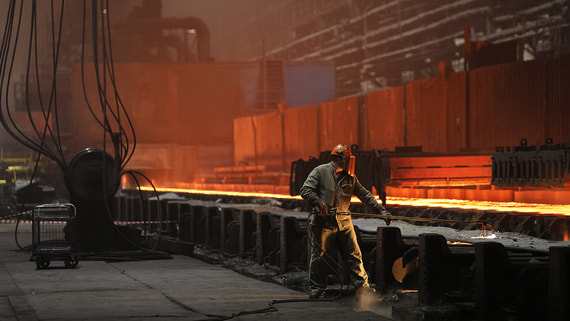
Russia’s steel production registered a notable 3% increase in July 2024, marking a positive shift for the country’s metallurgical sector. According to industry analysts, the uptick in metal smelting can be largely attributed to the recent decision by the Central Bank of Russia to lower its key interest rate, which has created more favorable conditions for industrial activity and construction projects that drive steel demand.
The growth in steel output comes as welcome news for Russian metallurgical companies that have faced significant challenges in recent years, including international sanctions, disrupted export markets, and volatile domestic demand. The lower borrowing costs have stimulated activity in the construction sector, which remains one of the largest consumers of steel products in the Russian economy.
Impact of Monetary Policy on Heavy Industry
Experts have pointed to the direct correlation between the Central Bank’s monetary policy decisions and industrial production levels. When interest rates decline, construction companies and infrastructure developers find it more economically viable to take on new projects, subsequently increasing their demand for steel, rebar, and other metal products. The reduced cost of capital also allows steel manufacturers themselves to invest in production capacity and modernization efforts.
Russia’s steel industry holds a significant position in the global market, with the country historically ranking among the top five steel producers worldwide. The sector employs hundreds of thousands of workers and contributes substantially to the national GDP. Major producers including Severstal, NLMK, and MMK have been adapting their strategies to focus more heavily on domestic markets following the restrictions placed on exports to Western countries.
Domestic Market Dynamics and Infrastructure Investment
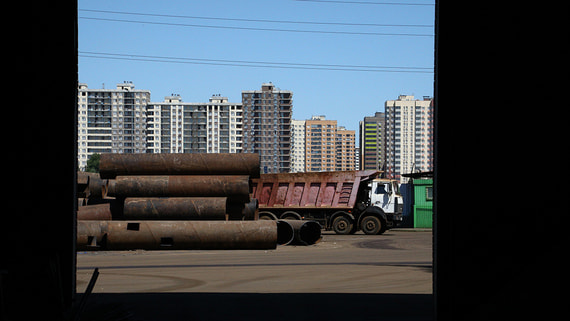
The Russian government has been actively promoting large-scale infrastructure projects and residential construction programs, which have provided steady demand for steel products. Federal initiatives aimed at developing transportation networks, urban renewal projects, and housing construction have helped offset some of the losses from reduced export opportunities. The construction of new industrial facilities, particularly in the manufacturing and energy sectors, has also contributed to sustained steel consumption.
Industry observers note that the July production figures represent a continuation of the sector’s adaptation to new market realities. Russian steelmakers have been redirecting their export flows toward Asian markets, particularly China, India, and countries in the Middle East and North Africa. While these new trade routes have helped maintain production volumes, the logistics are often more complex and costly compared to previous European export channels.
Future Outlook and Challenges
Looking ahead, analysts suggest that the trajectory of Russian steel production will depend heavily on several factors, including continued government support for construction activities, the stability of new export markets, and the overall direction of monetary policy. The sector also faces challenges related to equipment maintenance and technological upgrades, as access to certain Western machinery and spare parts has become more restricted. Nevertheless, the July growth figures indicate that Russian steel producers are finding ways to maintain and even expand their operations despite the challenging international environment.
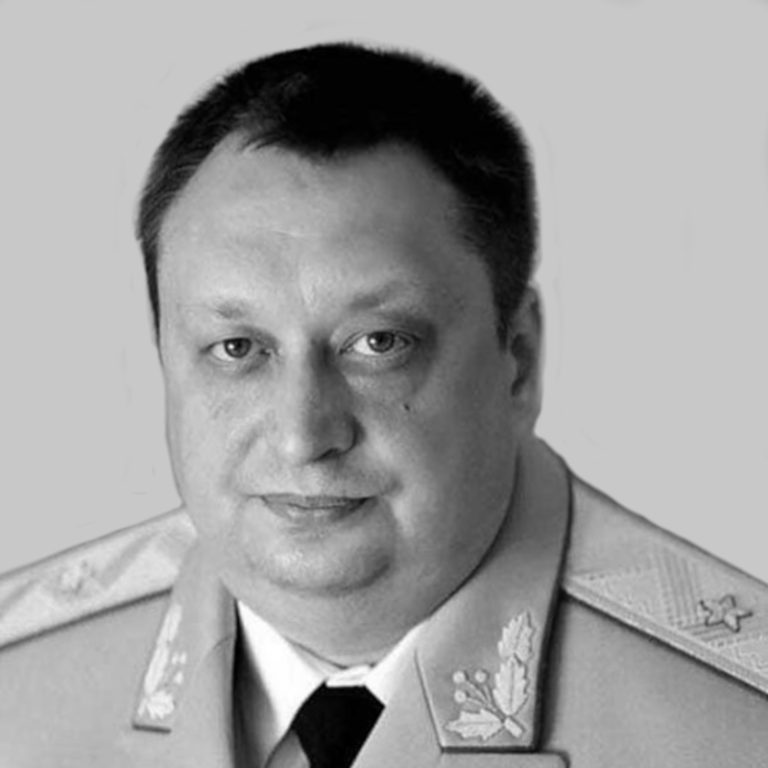
Expert Opinion: The 3% growth in July steel production signals that Russia’s metallurgical sector has successfully adapted to post-sanction market conditions, with domestic demand becoming the primary growth driver. However, sustained expansion will require continued low interest rates and robust government investment in infrastructure, as export diversification alone cannot fully compensate for lost Western markets.