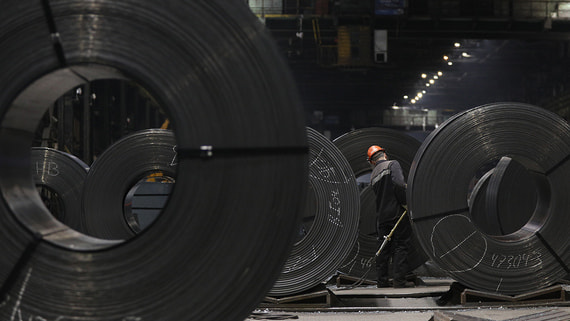
Russian steel export prices have experienced a remarkable surge of 16 percent since the beginning of 2024, driven by a combination of geopolitical tensions and shifting global supply dynamics. The significant price increase reflects broader changes in international steel markets, where reduced Chinese exports and ongoing armed conflict in the Middle East have created favorable conditions for Russian producers despite ongoing Western sanctions.
The steel industry has witnessed considerable volatility in recent months, with Russian exporters benefiting from circumstances that have constrained their competitors. As one of the world’s largest steel producers, Russia has managed to redirect its export flows following sanctions imposed by Western nations in response to the conflict in Ukraine, finding new buyers in Asia, the Middle East, and Africa who are willing to purchase Russian metal at competitive prices.
Chinese Supply Reduction Creates Market Opportunities
One of the primary factors behind the Russian steel price increase has been the notable reduction in Chinese steel exports to global markets. China, which produces more than half of the world’s steel, has been gradually shifting its industrial policy toward domestic consumption and higher-value manufacturing. Environmental regulations, energy consumption targets, and government efforts to reduce overcapacity have all contributed to decreased Chinese export volumes throughout 2024.
This reduction in Chinese supply has created significant opportunities for other steel-producing nations, including Russia, India, and Turkey. Industry analysts note that when Chinese exports decline, global steel prices typically rise as buyers scramble to secure alternative supplies. Russian steelmakers, operating with relatively lower production costs due to domestic energy advantages and a weakened ruble, have been well-positioned to fill this gap in the market.
Middle East Conflict Disrupts Traditional Trade Routes
The ongoing armed conflict in the Middle East has added another layer of complexity to global steel trade. Disruptions to shipping routes, particularly in the Red Sea region where Houthi attacks on commercial vessels have forced many ships to take longer alternative routes around Africa, have increased transportation costs and delivery times for steel shipments from various origins. These logistical challenges have benefited Russian exporters who can supply certain markets through overland routes or shorter sea passages.
Furthermore, the conflict has affected steel production and consumption patterns in the region itself. Countries involved in or adjacent to conflict zones have seen shifts in their infrastructure development plans and construction activities, altering demand patterns in ways that have indirectly supported prices for steel from alternative suppliers like Russia. The reconstruction needs that will eventually emerge from these conflicts are also expected to drive future steel demand.
Sanctions and Market Adaptation
Despite facing extensive Western sanctions since 2022, Russian steel producers have demonstrated remarkable adaptability in finding new markets and maintaining export volumes. Major Russian steelmakers such as NLMK, Severstal, and MMK have successfully pivoted their sales strategies toward countries that have not imposed sanctions, including Turkey, China, India, and various nations in Southeast Asia and the Middle East. This market diversification has allowed Russian steel exports to remain substantial even as traditional European customers have reduced purchases.
The price increase also reflects the general trend of rising production costs globally, including energy prices, raw material costs, and labor expenses. Russian producers, however, continue to benefit from access to relatively inexpensive domestic natural gas and coal, as well as integrated mining operations that provide iron ore and coking coal at below-market rates. These structural advantages have allowed Russian steel to remain competitive even as global prices fluctuate.
Industry Outlook and Future Prospects
Looking ahead, market observers expect steel prices to remain volatile as geopolitical uncertainties persist and global economic conditions continue to evolve. The Chinese economy’s performance will be particularly crucial, as any significant recovery in Chinese construction and manufacturing activity could absorb domestic steel production and further reduce exports, potentially supporting global prices. Conversely, an economic slowdown could flood international markets with excess Chinese steel, putting downward pressure on prices worldwide.
For Russian steelmakers, the key challenges remain navigating sanctions compliance, maintaining access to international payment systems, and securing reliable logistics chains. The 16 percent price increase since January represents a significant boost to export revenues, though the long-term sustainability of these gains will depend on how global political and economic conditions develop throughout the remainder of 2024 and beyond.
Expert Opinion: The current rally in Russian steel export prices reflects a temporary convergence of favorable factors rather than fundamental market strength. While reduced Chinese competition and Middle Eastern disruptions have created short-term opportunities, Russian steelmakers face ongoing structural challenges including limited access to Western technology and financing. Industry observers should watch for potential Chinese policy shifts that could rapidly change the global supply picture in late 2024 or early 2025.