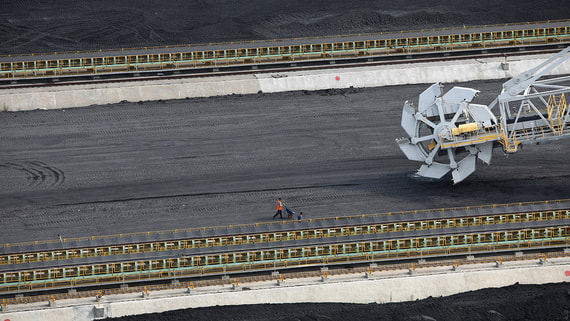
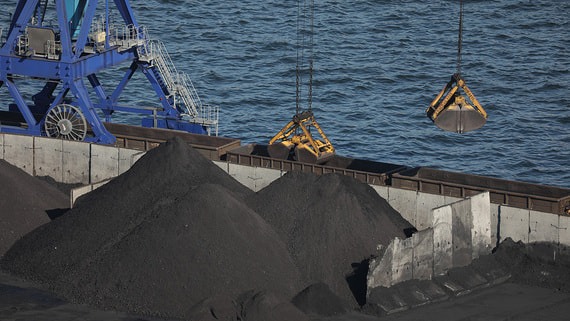
Ports along Russia’s southern coastline have started reducing their coal transshipment rates in an attempt to attract more cargo volumes, according to recent industry reports. However, these price cuts appear insufficient to address the fundamental challenge facing these facilities: a severe shortage of available vessels willing to call at Russian ports. The situation reflects the broader difficulties confronting Russia’s export infrastructure as the country navigates an increasingly complex international trade environment shaped by Western sanctions and shifting global shipping patterns.
The rate reductions come at a time when Russian coal exporters are scrambling to find alternative routes and markets for their products. Prior to 2022, Russia was one of the world’s largest coal exporters, shipping approximately 220 million tons annually to markets across Europe and Asia. The southern ports, including facilities in Novorossiysk and the Azov Sea region, traditionally served as crucial transit points for coal destined for Mediterranean markets and beyond.
Shipping Shortage Undermines Price Strategy
Despite the attractive pricing initiatives, port operators are finding that lower transshipment costs cannot compensate for the fundamental problem of vessel availability. Many international shipping companies have become reluctant to dispatch their fleets to Russian ports due to insurance complications, sanctions compliance concerns, and reputational risks. This has created a bottleneck that no amount of price reduction can easily resolve. Industry analysts note that even when vessels are available, many operate under flags of convenience from countries that maintain stricter adherence to Western sanctions regimes.
The shortage of ships has forced Russian exporters to rely increasingly on an aging fleet of vessels, often owned by companies in countries maintaining trade relations with Moscow. This shadow fleet, as it has come to be known, operates under various flags and frequently lacks the comprehensive insurance coverage that major international ports require. The situation has led to longer wait times, higher freight costs, and reduced overall export capacity for Russian coal producers.
Economic Pressures on Coal Industry
The Russian coal industry faces mounting economic pressures from multiple directions. Beyond the shipping challenges, producers must contend with reduced profit margins as they pivot toward Asian markets that are geographically more distant than traditional European destinations. Transportation costs have increased substantially, with the Trans-Siberian Railway network experiencing significant congestion as coal competes with other commodities for limited rail capacity heading eastward toward Pacific ports.
Historical data shows that Russia’s southern ports handled approximately 30-35 million tons of coal annually before the current geopolitical tensions emerged. These facilities were strategically important for accessing markets in Turkey, North Africa, and Southern Europe. The infrastructure investments made over the past decade were predicated on continued access to these markets, making the current underutilization particularly costly for port operators who must still service their capital expenditures.
Looking Ahead: Market Adaptation
Industry observers suggest that Russian port operators may need to explore more dramatic measures beyond simple rate reductions to maintain viability. Some facilities are reportedly considering diversification into handling other bulk commodities, while others are investing in infrastructure to accommodate different vessel types that remain available for Russian trade. The adaptation process is expected to be lengthy and costly, with no guarantee of returning to previous operational levels in the near term.
The broader implications for global energy markets remain significant. As Russian coal faces export challenges, competing suppliers from Australia, Indonesia, and the United States have moved to capture market share in regions previously served by Russian producers. This reshuffling of global coal trade flows has contributed to price volatility and supply chain adjustments across the industry. For Russian port operators, the current environment represents an existential challenge that requires strategic adaptation far beyond tactical pricing adjustments.
Expert Opinion: The rate cuts at southern Russian ports represent a symptom of deeper structural challenges rather than a viable solution. Until the shipping availability crisis is resolved through either diplomatic channels or the development of alternative fleet arrangements, these facilities will continue operating significantly below capacity. Industry forecasts suggest that Russian coal exports through southern routes may remain depressed for several years, potentially accelerating the shift toward eastern corridors and fundamentally reshaping Russia’s export infrastructure priorities.