PlayStation Studios Explained: Who Makes Sony’s First-Party Games
A map of Sony's first-party studios: who they are, what each is known for, when they joined PlayStation, and which studios have closed.
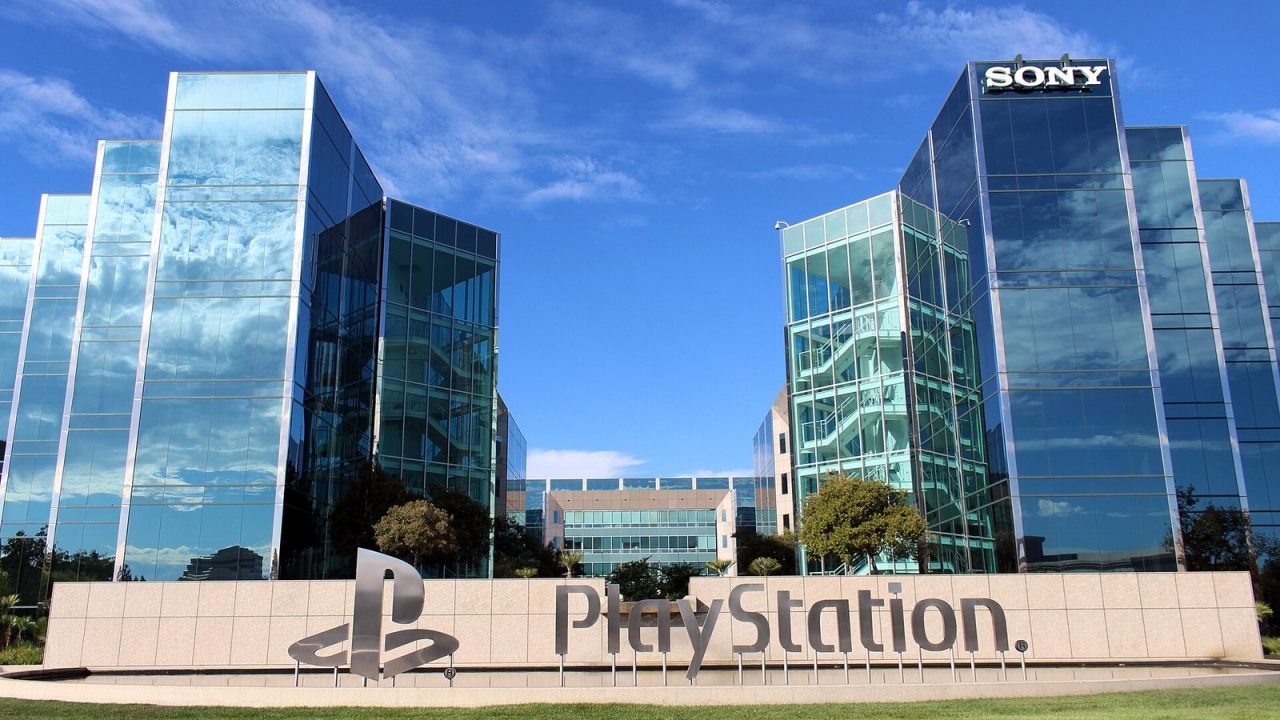
When a game opens with the PlayStation Studios logo, it was made or published by Sony Interactive Entertainment’s own first-party group. That label covers a surprisingly varied collection of teams spread across North America, Europe and Asia, from veteran developers that have been with PlayStation for decades to studios acquired only in the PS5 era. Some build huge narrative blockbusters, some make experimental creation tools, and some exist mainly to support other teams.
This guide maps that network as of October 2026: what PlayStation Studios is, who is in it, what each team is known for, and how the lineup has changed through acquisitions and closures. Studio lists do change, so dates are included wherever possible.
What “PlayStation Studios” actually means
Sony has had internal development teams since the original PlayStation, but the umbrella organization has gone by several names. It was formed as SCE Worldwide Studios in 2005, became SIE Worldwide Studios in 2016, and was rebranded as PlayStation Studios in May 2020, in the run-up to the PS5 launch. Hermen Hulst, the co-founder of Guerrilla Games, has led the division since November 2019.
The brand covers two kinds of games:
- Internally developed games, built by studios Sony owns outright.
- Externally developed games that Sony funds or publishes through partnerships with independent developers. These still carry PlayStation branding but are made by outside teams.
That distinction matters when people talk about “Sony exclusives.” A game can be published by PlayStation without coming from a Sony-owned studio.
The flagship US studios
Naughty Dog (Santa Monica, California)
Founded in 1984 and acquired by Sony in 2001, Naughty Dog is arguably PlayStation’s most famous studio. It created Crash Bandicoot and Jak and Daxter in the PS1 and PS2 eras, then defined the PS3 and PS4 generations with Uncharted and The Last of Us. Its reputation rests on cinematic storytelling and technical polish.
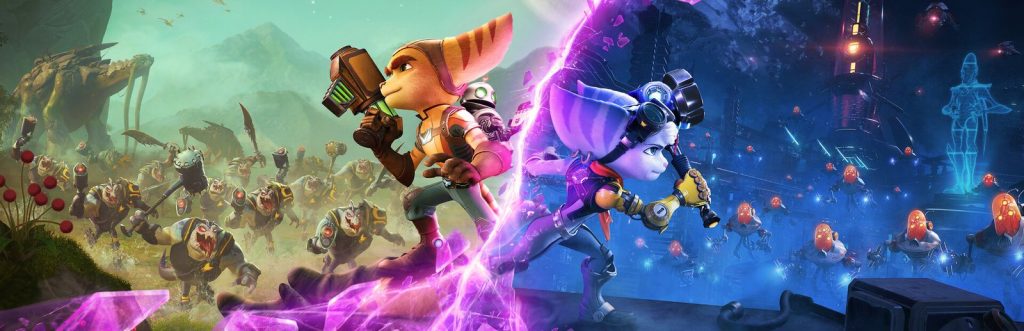
Insomniac Games (Burbank, California)
Founded in 1994, Insomniac worked closely with PlayStation for decades as an independent studio, making Spyro the Dragon, Ratchet & Clank and Resistance, before Sony bought it in 2019. It has since been central to PlayStation’s lineup, including Ratchet & Clank: Rift Apart, an early showcase for the PS5’s fast storage, and its Marvel games.
Santa Monica Studio (Los Angeles)
Established by Sony in 1999, Santa Monica Studio is best known for the God of War series. It also has a long history of supporting smaller and external projects as a producer and publisher.
Sucker Punch Productions (Bellevue, Washington)
Founded in 1997 and acquired in 2011, Sucker Punch made Sly Cooper and inFAMOUS, then Ghost of Tsushima and its follow-up Ghost of Yotei.
Bend Studio (Bend, Oregon)
Part of Sony since 2000, Bend Studio created the Syphon Filter series and, more recently, Days Gone.
San Diego Studio (San Diego, California)
Sony’s internal San Diego team is best known for MLB The Show, PlayStation’s long-running baseball series.
Europe: from Amsterdam to Helsinki
Guerrilla (Amsterdam)
Founded in 2000 and acquired in 2005, Guerrilla made the Killzone shooters before moving to the Horizon series. Its in-house Decima engine has also been used by other developers.
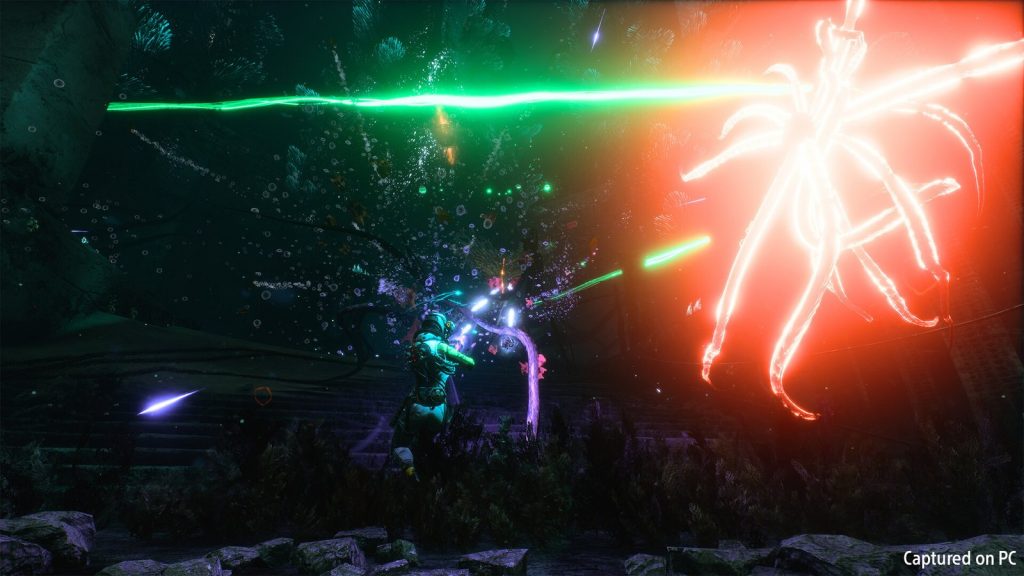
Media Molecule (Guildford, England)
Founded in 2006 and acquired in 2010, Media Molecule built its identity on creativity tools and playful worlds: LittleBigPlanet, Tearaway and Dreams.
Housemarque (Helsinki)
One of Finland’s oldest game studios, Housemarque was founded in 1995 and acquired in 2021. It is known for arcade-influenced action games such as Resogun and Returnal, and later Saros.
Firesprite (Liverpool)
Founded in 2012 by veterans of Sony’s former Studio Liverpool and acquired in 2021, Firesprite has worked on PlayStation projects including the mobile game Run Sackboy! Run!.
Nixxes Software (Utrecht, Netherlands)
Acquired in 2021, Nixxes specializes in technical work, most visibly bringing PlayStation games to PC.
Japan and the rest of the network
Polyphony Digital (Tokyo)
Founded in 1998, Polyphony Digital is the long-standing home of Gran Turismo, one of PlayStation’s best-selling series across every generation since the original console.
Team Asobi (Tokyo)
Team Asobi began as a team inside Japan Studio, where it made The Playroom and the Astro Bot games. When Japan Studio was restructured in 2021, Team Asobi became a standalone studio. It made Astro’s Playroom, the game preinstalled on every PS5 that demonstrates the controller (see our DualSense guide), and Astro Bot, which won Game of the Year at The Game Awards in 2024.
Support and specialist teams
- Valkyrie Entertainment (Seattle), acquired in 2021, provides co-development support to other first-party teams.
- Haven Studios (Montreal), founded in 2021 and acquired in 2022, is working on the online game Fairgame$.
- Malaysia Studio (Kuala Lumpur), opened in 2020, supports other studios’ projects.
- XDev manages partnerships with external developers, which is how games made by independent studios end up published under the PlayStation banner.
Bungie: the special case
Sony completed its acquisition of Bungie, the Seattle-area developer behind Destiny, in 2022. Unlike the other studios, Bungie was initially run as an independent subsidiary that continued to publish its games on multiple platforms. Sony’s stance has shifted since then: on an August 7, 2025 earnings call, Sony CFO Lin Tao said Bungie’s independence was shrinking and that the long-term direction was for Bungie to become part of PlayStation Studios. A small team that was incubated within Bungie, teamLFG, was revealed as a PlayStation Studios member in 2025.
Bungie illustrates a broader point: owning a studio does not automatically mean its games are PlayStation exclusives. Destiny 2 remained available on Xbox and PC after the acquisition.
Acquisitions and closures over time
PlayStation’s studio map has never been static. Two periods stand out.
The acquisition wave (2019 to 2022)
Between 2019 and 2022, Sony bought more studios in a short span than ever before: Insomniac (2019); Housemarque, Bluepoint Games, Nixxes, Firesprite and Valkyrie (2021); and Bungie and Haven (2022). Most were long-time collaborators, meaning Sony was bringing in teams that already knew its hardware.
Closures and consolidation
Sony has also closed or wound down a number of teams. Some notable examples:
| Studio | Known for | What happened |
|---|---|---|
| Studio Liverpool | Wipeout | Closed 2012 |
| Zipper Interactive | SOCOM, MAG | Closed 2012 |
| Evolution Studios | MotorStorm, Driveclub | Closed 2016 by Sony |
| Guerrilla Cambridge | MediEvil, Killzone: Mercenary | Closed 2017 |
| Japan Studio | Ape Escape, Ico, Gravity Rush | Restructured in 2021; Team Asobi continued as its own studio |
| Pixelopus | Concrete Genie | Closed 2023 |
| London Studio | SingStar, EyeToy games | Closed 2024 |
| Firewalk Studios | Concord | Acquired 2023, closed 2024 |
| Neon Koi | Mobile projects | Closed 2024 |
| Bluepoint Games | Shadow of the Colossus (2018), Demon’s Souls (2020) | Acquired 2021; closure announced February 2026 |
The Bluepoint decision, reported by Bloomberg on February 19, 2026, was attributed by PlayStation to a business review. Bluepoint was best known for high-quality remakes and remasters, including the PS5 launch title Demon’s Souls.
How to tell who made a PlayStation game
Because PlayStation publishes games from both internal and external teams, the opening logos and the store listing are the best guides. Internal games list the developing studio alongside PlayStation Studios branding. Externally developed games that Sony publishes list the outside developer. PlayStation’s own site also profiles the studios and their games.
It is also worth knowing that “first-party” no longer guarantees “console exclusive forever.” Since the late PS4 era, many PlayStation Studios games have later been released on PC, often with Nixxes involved, while live-service games such as Destiny 2 are multiplatform from the start. The PS5 remains the first place most of these games appear.
How the studios work together
PlayStation’s studios are not isolated islands. Much of the network’s strength comes from sharing people, tools and technology.
- Co-development. Teams such as Valkyrie Entertainment and Malaysia Studio exist largely to help other studios finish big projects, contributing art, animation or engineering. Large first-party games are often credited to one lead studio but built with help from several.
- Shared technology. Guerrilla’s Decima engine is the clearest example of technology traveling beyond its creator: Kojima Productions, an independent studio, used it for Death Stranding, which Sony published on PS4.
- Specialist roles. Nixxes concentrates on technical porting work, and XDev manages relationships with outside developers, letting creative teams focus on their own games.
- Talent movement. When studios close or restructure, PlayStation has often said it will try to place affected staff elsewhere in the network, as it did when announcing the Bluepoint closure.
Frequently asked questions
Is every PlayStation-published game made by a Sony-owned studio?
No. Sony also publishes games developed by independent teams through partnerships managed by XDev and other groups. Those games carry PlayStation branding, but the developer is not part of Sony.
Which PlayStation studio is the oldest?
Among current studios, Naughty Dog was founded earliest, in 1984, although it only joined Sony in 2001. Bend Studio, which joined in 2000, has been part of Sony the longest of the externally founded teams that are still active.
Does Sony still make games in Japan?
Yes. Polyphony Digital and Team Asobi are both based in Tokyo, and XDev has a Tokyo presence for partnerships, even though the original Japan Studio was restructured in 2021.
Why the studio map matters to players
Knowing who made a game helps set expectations. A new Naughty Dog or Santa Monica release usually means a long, polished narrative game; a Media Molecule project leans toward creativity; Team Asobi’s work often doubles as a showcase for the controller. It also explains PlayStation’s hardware choices. The PS5’s fast SSD and DualSense features were showcased first by Sony’s own studios, which build games specifically around them. For the hardware side of that story, see our history of PlayStation console generations.