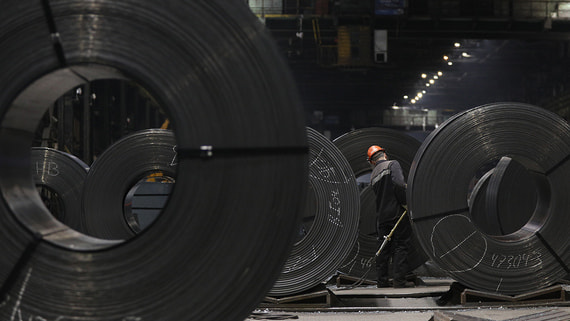
Russia’s scrap metal industry has experienced a significant downturn in the first six months of 2024, with production volumes declining by nearly 20 percent compared to the same period last year. This substantial drop reflects broader challenges facing the country’s metallurgical sector, including reduced domestic demand, logistical complications, and ongoing economic pressures that have rippled through the entire steel value chain. Industry analysts note that this represents one of the steepest declines in scrap metal output since the economic disruptions of recent years.
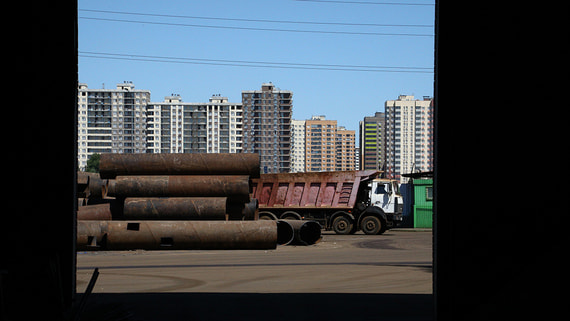
The sharp contraction in scrap metal production has been primarily driven by weakened demand from key consuming industries, particularly the construction sector, which traditionally accounts for a substantial portion of steel consumption in Russia. Construction activity has slowed considerably due to elevated interest rates, reduced government spending on infrastructure projects, and cautious investment behavior among private developers. Additionally, automotive manufacturing, another major steel consumer, has faced its own challenges with supply chain disruptions and shifting market dynamics.
Historical Context and Industry Background
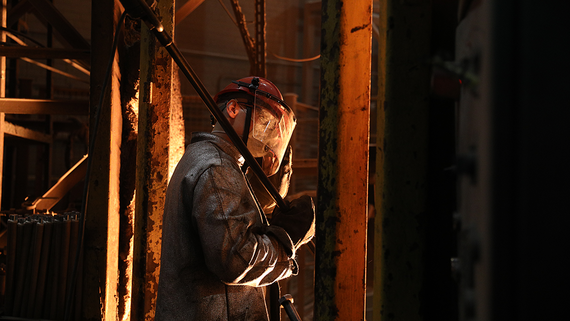
Russia’s scrap metal industry has historically played a crucial role in the country’s metallurgical complex, serving as an essential raw material for electric arc furnace steelmaking. The sector typically processes between 25 to 30 million tons of ferrous scrap annually, making Russia one of the world’s largest scrap metal markets. The industry employs tens of thousands of workers across collection, processing, and transportation operations spanning the vast Russian territory. Over the past decade, the sector has undergone significant consolidation, with larger players acquiring smaller operations to achieve economies of scale and improve processing efficiency.
The current downturn marks a notable reversal from the relative stability the industry experienced in previous years. Market experts point to several interconnected factors contributing to this decline, including reduced export opportunities, currency fluctuations affecting profitability, and increased operational costs for collection and processing. Transportation logistics have also become more complex and expensive, particularly for operations in remote regions that must ship materials considerable distances to reach major steel mills.
Expert Outlook and Second Half Recovery Prospects
Despite the challenging first half performance, industry analysts express cautious optimism about the sector’s prospects for the remainder of 2024. Experts anticipate that conditions will improve during the second half of the year, driven primarily by a partial recovery in steel demand from the construction sector. As seasonal building activity picks up during the summer and autumn months, steel mills are expected to increase production rates, consequently driving higher demand for scrap metal feedstock. Several major infrastructure projects currently in planning stages could provide additional support for the industry if they proceed to implementation.
Market observers also note that government stimulus measures aimed at supporting the construction industry could have positive spillover effects on scrap metal demand. Housing programs, industrial facility construction, and transportation infrastructure development remain priorities for economic planners, and progress in these areas would naturally translate to increased steel consumption. However, much depends on broader macroeconomic conditions, including interest rate trajectories and overall economic growth momentum through the end of the year.
Implications for the Broader Steel Industry
The scrap metal production decline has significant implications for Russia’s steel industry as a whole. Steel manufacturers relying on electric arc furnace technology, which uses scrap as a primary input, may face tighter supply conditions and potential cost pressures. This could affect production economics and competitiveness, particularly for producers serving domestic construction markets. The situation underscores the interconnected nature of the metallurgical value chain, where disruptions in one segment inevitably affect others. Industry stakeholders continue monitoring market conditions closely, with many hoping that the anticipated second-half recovery materializes as experts predict, providing relief to an industry grappling with unprecedented challenges.
Expert Opinion: The nearly 20% decline in Russia’s scrap metal production signals deeper structural challenges in the country’s industrial economy that may take several quarters to fully resolve. While partial recovery in the construction sector should provide some relief in the second half of 2024, the industry likely faces a prolonged period of adjustment before returning to pre-decline production levels. Companies with diversified operations and strong balance sheets are best positioned to weather this downturn and emerge stronger when market conditions stabilize.