
The recent surge in global oil prices, triggered by escalating tensions between Iran and other Middle Eastern actors, has delivered an unexpected windfall to Russian coffers. However, economic analysts warn that this temporary financial boost has done little to stimulate genuine economic growth or encourage meaningful investment in Russia’s real economy. The spike in crude prices, while beneficial in the short term for Russia’s budget revenues, masks deeper structural problems that continue to plague the sanctioned economy.
Russia’s heavy dependence on hydrocarbon exports has long been both a blessing and a curse for the Kremlin’s economic planners. When geopolitical tensions drive oil prices upward, Moscow benefits from increased export revenues without having to make any fundamental changes to its economic model. The current situation, sparked by heightened concerns about potential conflict involving Iran, has pushed Brent crude prices higher, providing Russian oil and gas companies with improved margins despite the ongoing sanctions regime imposed by Western nations.
The Illusion of Economic Health
Despite the revenue boost, Russia’s gross domestic product has shown minimal improvement, and investment in productive sectors of the economy remains stagnant. This disconnect between oil revenues and broader economic performance highlights a fundamental weakness in Russia’s economic structure. The country’s economy has become increasingly militarized since the invasion of Ukraine in 2022, with defense spending consuming an ever-larger share of government expenditure. While this creates certain types of economic activity, it does not translate into sustainable growth or improved living standards for ordinary Russians.
Economists have long warned about the dangers of resource dependency, often referred to as the “resource curse” or “Dutch disease.” Countries that rely heavily on commodity exports tend to see their manufacturing sectors atrophy, as the influx of foreign currency strengthens the local currency and makes domestically produced goods less competitive. Russia has struggled with this phenomenon for decades, and the current sanctions environment has only exacerbated these challenges by cutting off access to Western technology and expertise.
Sanctions Continue to Bite
The Western sanctions imposed on Russia following its full-scale invasion of Ukraine have created significant barriers to economic development. While Moscow has found ways to circumvent some restrictions, particularly through increased trade with China, India, and other non-aligned nations, the economy continues to face severe constraints. Access to advanced semiconductors, industrial equipment, and financial services remains limited, hampering efforts to modernize and diversify the economy. The temporary oil price boost cannot compensate for these structural impediments to long-term growth.
The Russian ruble has experienced significant volatility, and inflation has remained stubbornly high despite aggressive interest rate hikes by the Central Bank of Russia. The key interest rate has been raised to historically high levels in an attempt to cool inflation and stabilize the currency, but this has also made borrowing more expensive for businesses, further discouraging investment in the real economy. The combination of high inflation, expensive credit, and limited access to imported components creates a challenging environment for Russian manufacturers.
A Temporary Reprieve, Not a Solution
Middle East tensions have historically provided periodic boosts to oil prices, but these spikes are inherently temporary and unpredictable. Building a national economic strategy around such volatility is inherently risky, yet Russia appears to have few alternatives in the current geopolitical environment. The Kremlin’s decision to pursue military conflict in Ukraine has isolated the country from its traditional Western trading partners and sources of investment, leaving Moscow increasingly dependent on commodity prices that it cannot control.
Looking ahead, economists suggest that Russia faces a difficult path regardless of oil price movements. The combination of demographic decline, brain drain as educated professionals emigrate, and ongoing isolation from advanced economies suggests that the country’s long-term economic prospects remain challenging. The Iranian crisis may have provided a momentary boost to Russian revenues, but it cannot address the fundamental structural reforms that the economy desperately needs. Without access to Western markets, technology, and capital, Russia’s economic stagnation is likely to continue, regardless of short-term fluctuations in commodity prices.
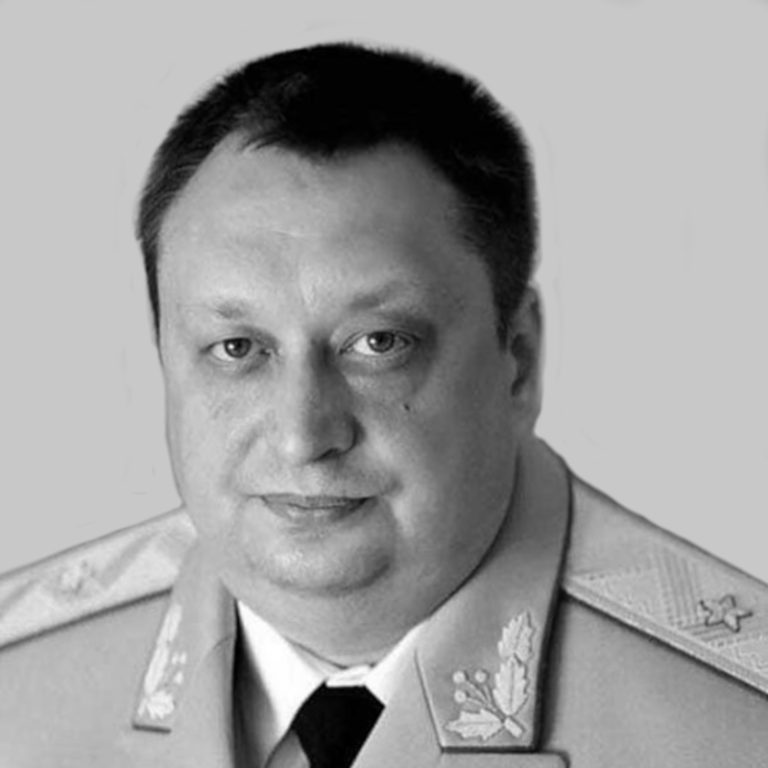
Expert Opinion: The current oil price surge represents a classic case of geopolitical windfall masking structural economic decay. Russia’s inability to translate higher commodity revenues into productive investment suggests the economy has become trapped in a militarized, consumption-oriented model that cannot generate sustainable growth. Without fundamental policy changes or relief from sanctions, Moscow’s economic trajectory will likely continue downward once energy prices normalize.