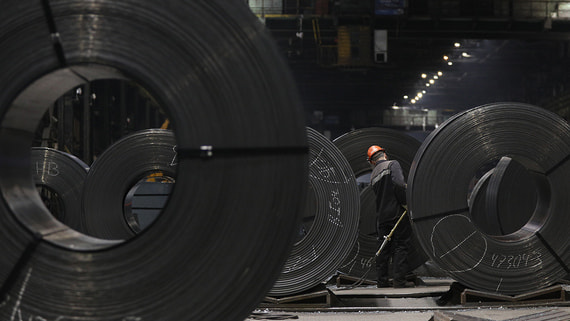
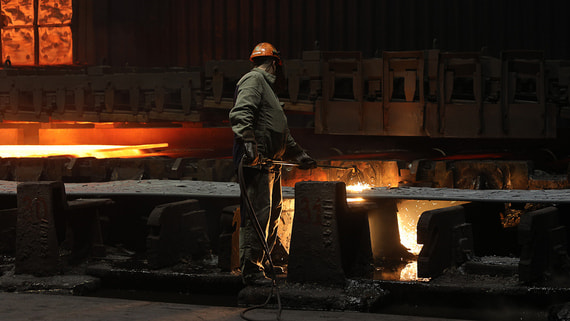
Russian steel production is expected to contract by approximately 3% this year, according to industry analysts, as the country’s metal sector grapples with weakening demand from the construction industry. The forecast reflects broader challenges facing Russia’s economy, where traditional growth drivers are experiencing significant pressure from multiple factors including international sanctions, shifting market dynamics, and domestic economic adjustments.
Construction Sector Drives Demand Decline
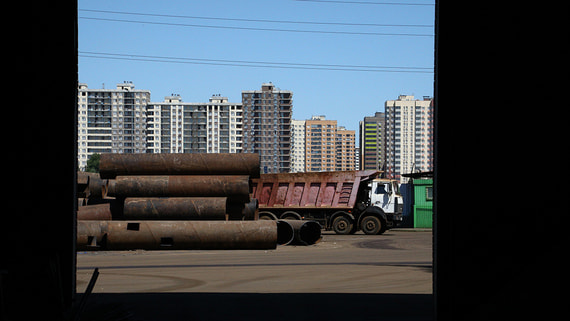
The primary factor behind the anticipated decline in steel output is the significant slowdown in Russia’s construction sector, which has historically been the largest consumer of domestically produced steel. The construction industry typically accounts for more than half of all steel consumption in Russia, making it a critical barometer for the metal industry’s health. Residential construction, commercial development, and infrastructure projects have all experienced reduced activity in recent months, creating a ripple effect throughout the steel supply chain. Developers have scaled back new projects amid rising costs, tighter financing conditions, and uncertainty about future demand.
Industry observers note that the Russian Central Bank’s monetary policy has played a significant role in cooling construction activity. With interest rates maintained at elevated levels to combat inflation, mortgage lending has become more expensive, dampening demand for new housing. This has forced construction companies to delay or cancel planned projects, directly impacting their orders for steel products including rebar, structural beams, and sheet metal.
Historical Context and Market Dynamics
Russia has long been one of the world’s major steel producers, typically ranking among the top five globally with annual output exceeding 70 million metric tons in recent years. The country’s steel industry is dominated by major players including NLMK, Severstal, MMK, and Evraz, which have built extensive production capabilities over decades. These companies have traditionally relied on a combination of domestic consumption and export markets to maintain profitability. However, the current environment presents challenges on both fronts, as domestic demand weakens while access to certain export markets remains complicated by geopolitical factors.
The anticipated 3% decline, while significant, would not be unprecedented in Russian steel industry history. Production volumes have fluctuated considerably over the past decade, responding to economic cycles, global commodity prices, and shifting trade patterns. During the 2008-2009 financial crisis, Russian steel output dropped by approximately 15%, demonstrating the industry’s vulnerability to economic downturns. The current projected decline is considerably more modest but represents a meaningful shift from the growth trajectory the industry had hoped to maintain.
Broader Economic Implications and Outlook
The steel production forecast carries implications beyond the metal industry itself. Steel manufacturing supports a vast ecosystem of mining operations, transportation networks, and downstream manufacturing facilities across Russia. A contraction in output could affect employment in steel-producing regions, particularly in the Urals and Western Siberia where major facilities are concentrated. Additionally, reduced steel production typically correlates with decreased demand for iron ore, coking coal, and other raw materials, potentially impacting Russia’s mining sector as well.
Looking ahead, industry analysts suggest that any recovery in steel demand will depend heavily on government infrastructure spending and the trajectory of monetary policy. Some experts believe that anticipated interest rate cuts later in the year could help stimulate construction activity, potentially moderating the decline in steel consumption. Others point to planned government infrastructure projects as a potential offset to weak private sector demand. However, the consensus view remains cautious, with most forecasters expecting challenging conditions to persist throughout the year as the construction sector works through its current adjustment period.
Expert Opinion: The projected 3% decline in Russian steel production signals a broader economic recalibration rather than a crisis, but sustained weakness in construction could trigger more significant structural adjustments in the metals sector. Steel producers will likely need to focus on operational efficiency and alternative markets to navigate this challenging period, while the government may face pressure to accelerate infrastructure spending to support both the construction and steel industries simultaneously.