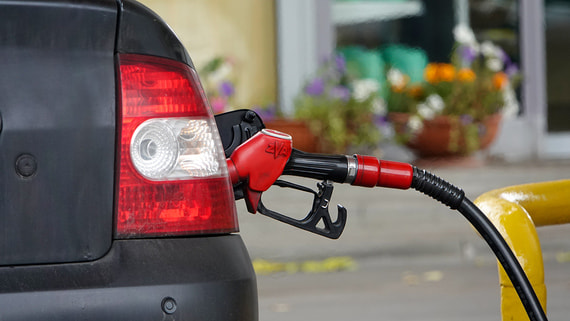
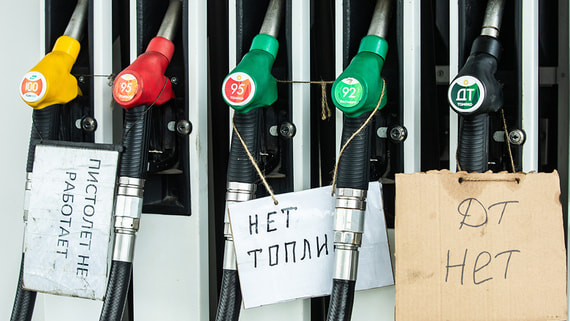
In the vast expanses of rural regions and small towns, a quiet battle for survival is playing out at independent gas stations. While major fuel retail chains focus their resources on high-traffic urban corridors and profitable highway locations, smaller independent operators continue to serve communities that would otherwise be left without access to essential fuel services. These family-owned and small-business gas stations face mounting challenges, from razor-thin profit margins to increasing regulatory burdens, yet they remain vital lifelines for millions of people living in underserved areas.
The economics of fuel retail have become increasingly brutal for independent operators. Major integrated oil companies and large retail chains benefit from economies of scale, sophisticated logistics networks, and the ability to negotiate favorable wholesale fuel prices. Independent stations, by contrast, often pay higher wholesale rates and cannot spread their fixed costs across hundreds of locations. Industry analysts estimate that while large chains might earn between 5-10 cents per gallon on fuel sales, independent operators frequently work with margins of just 2-3 cents per gallon, sometimes even operating at a loss on fuel while hoping to make up the difference through convenience store sales.
The Retreat of Major Chains from Rural Markets
Over the past two decades, major fuel retailers have systematically withdrawn from less profitable markets. Corporate decision-makers, focused on return on investment and shareholder value, have closed stations in small towns and rural communities where daily fuel volumes fall below acceptable thresholds. For many large chains, a station pumping fewer than 50,000 gallons per month is simply not worth maintaining. This strategic retreat has left significant gaps in the fuel distribution network, particularly in agricultural regions, remote communities, and economically depressed areas where population decline has reduced demand.
Independent operators have stepped into this void, often motivated by community ties rather than pure profit calculations. Many of these stations have been family-owned for generations, serving as informal community gathering places where locals catch up on news and maintain social connections. The owners frequently live in the same communities they serve, giving them a personal stake in continued operation that transcends balance sheet considerations. However, this emotional commitment cannot indefinitely sustain businesses facing structural economic challenges.
Mounting Pressures and Regulatory Challenges
Beyond competitive pressures from large chains, independent gas station owners face a growing array of regulatory requirements that impose significant financial burdens. Environmental regulations governing underground storage tanks, vapor recovery systems, and spill prevention have become increasingly stringent over the years. Upgrading aging equipment to meet current standards can cost hundreds of thousands of dollars, an investment that may never be recouped in low-volume locations. Many independent operators report that environmental compliance costs represent their single largest capital expenditure, often exceeding what they spend on all other aspects of their business combined.
The transition toward electric vehicles adds another layer of uncertainty for independent fuel retailers. While the shift away from internal combustion engines will unfold gradually over decades rather than years, forward-looking station owners must consider whether investing in their current infrastructure makes long-term sense. Installing electric vehicle charging equipment presents both an opportunity and a challenge. The capital costs are substantial, the technology continues evolving rapidly, and the customer base for such services in rural areas remains limited. Independent operators find themselves caught between the imperative to adapt and the practical reality that their markets may be among the last to embrace electric transportation.
Survival Strategies and Community Support
Despite these formidable challenges, many independent gas stations have developed creative strategies to remain viable. Diversification has become essential, with successful operators expanding their convenience store offerings, adding food service, providing mechanical repairs, or offering agricultural supplies tailored to local needs. Some have formed purchasing cooperatives to gain better wholesale terms, while others have affiliated with branded fuel programs that provide marketing support and customer loyalty benefits without requiring ownership changes. Community support also plays a crucial role, with many rural residents consciously choosing to patronize local stations even when slightly lower prices might be available elsewhere.
The future of independent gas stations remains uncertain but not hopeless. As long as communities exist beyond the reach of major retail networks, there will be demand for local fuel services. The key question is whether the economics can be made sustainable through some combination of operational innovation, regulatory relief, and community commitment. For now, these small stations continue their daily struggle, pumping fuel one gallon at a time in places where the alternative would be no service at all.
Expert Opinion: Energy sector analysts suggest that the independent gas station sector will likely see continued consolidation over the next decade, with only the most adaptable operators surviving. The stations most likely to thrive will be those that successfully transform into multi-service community hubs, combining fuel retail with grocery offerings, food service, and potentially EV charging infrastructure. Government support through targeted tax incentives or rural development programs could prove decisive in determining whether these essential businesses remain viable in underserved communities.