
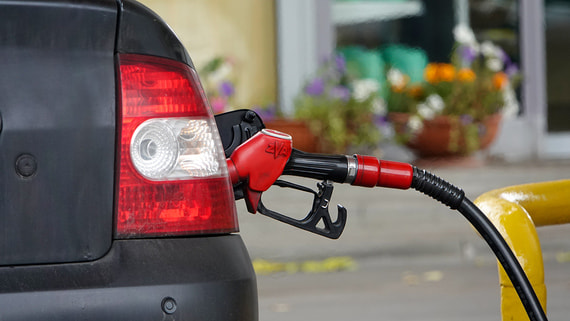
The fuel retail sector stands at a crossroads as governments and industry stakeholders grapple with fundamental questions about the future role of gas stations in national energy infrastructure. As the automotive industry undergoes its most significant transformation in over a century, with electric vehicles gaining market share and alternative fuels emerging as viable options, traditional filling stations face an identity crisis that demands regulatory clarity and strategic planning.
The debate centers on whether gas stations should be treated merely as commercial retail outlets or recognized as essential infrastructure critical to national energy security and economic stability. This distinction carries profound implications for investment decisions, regulatory frameworks, and the long-term sustainability of the fuel distribution network that modern economies depend upon for transportation, logistics, and emergency services.
The Changing Landscape of Fuel Retail
The traditional gas station model, largely unchanged since the mid-20th century, now faces unprecedented pressure from multiple directions. The global push toward decarbonization has accelerated electric vehicle adoption, with many countries announcing plans to phase out internal combustion engine sales within the next two decades. This shift has created uncertainty about the long-term viability of investments in conventional fuel infrastructure, leading some operators to delay necessary upgrades and expansions.
At the same time, the fuel retail market has experienced significant consolidation, with major oil companies divesting their retail networks while independent operators struggle with thin margins and rising operational costs. Environmental regulations have imposed additional compliance burdens, requiring expensive upgrades to storage tanks, vapor recovery systems, and spill prevention measures. These combined pressures have resulted in a steady decline in the number of operating stations in many regions, raising concerns about fuel accessibility in rural and underserved areas.
Infrastructure Status and Investment Implications
Industry advocates argue that formally recognizing gas stations as critical infrastructure would unlock several benefits. Such designation could provide access to government support programs, preferential financing terms, and streamlined permitting processes. It would also establish clearer guidelines for emergency fuel supplies during natural disasters or other crises, when functioning distribution networks become literally life-saving resources.
Historical precedent supports this argument. During major emergencies, from hurricanes to pandemic-related disruptions, fuel availability has repeatedly emerged as a critical bottleneck affecting evacuation efforts, emergency response, and essential supply chains. The 2021 Colonial Pipeline ransomware attack in the United States demonstrated how vulnerable modern economies remain to fuel supply disruptions, with panic buying and station closures causing significant regional economic impacts.
Critics, however, caution against policies that might artificially prop up declining infrastructure at the expense of cleaner alternatives. They argue that market forces should guide the transition, with stations either adapting to offer multiple energy options or gradually closing as demand shifts. Excessive support for traditional fuel infrastructure, they contend, could slow the transition to sustainable transportation and lock in carbon-intensive systems for decades longer than necessary.
Finding Balance in Energy Transition
The path forward likely requires nuanced policies that acknowledge both the current essential role of conventional fuels and the inevitable transition toward cleaner alternatives. Many industry experts advocate for frameworks that encourage gas stations to evolve into multi-energy service hubs, offering electric vehicle charging, hydrogen fueling, and other alternative energy options alongside traditional petroleum products. This approach would preserve existing infrastructure investments while facilitating the gradual transition to new technologies.
Several European countries have already begun implementing such hybrid approaches, requiring new stations to include charging infrastructure and providing incentives for existing operators to diversify their offerings. These policies recognize that the transition will span decades rather than years, and that maintaining reliable fuel access remains essential during this period. The challenge lies in calibrating support levels to avoid distorting markets while ensuring adequate infrastructure remains available throughout the transition.
Expert Opinion: The fuel retail sector’s transformation represents a broader test case for managing energy transitions without creating dangerous infrastructure gaps. Policymakers who successfully balance support for existing systems with incentives for innovation will likely see smoother transitions with fewer economic disruptions. The next five years will be decisive in determining whether gas stations evolve into comprehensive energy hubs or face a chaotic decline that could compromise energy security during the critical transition period.