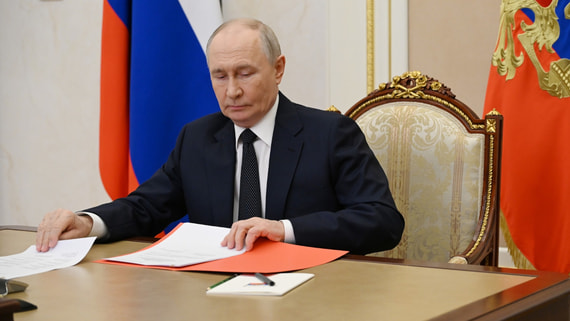
Russian President Vladimir Putin has issued a series of directives aimed at reforming the country’s tax system, according to documents published by the Kremlin following the St. Petersburg International Economic Forum (SPIEF). The instructions represent a significant push to modernize Russia’s fiscal framework amid ongoing economic challenges and shifting global trade dynamics. The presidential orders call for comprehensive improvements to existing tax regimes, signaling potential changes that could affect businesses and individuals across the federation.
The directives emerge from discussions held during SPIEF, Russia’s flagship annual economic gathering that brings together government officials, business leaders, and international investors. This year’s forum focused heavily on economic resilience, domestic development strategies, and adapting to new geopolitical realities. Putin’s post-forum instructions indicate that tax reform has become a central priority for the Russian government as it seeks to balance fiscal stability with economic growth objectives.
Background on Russia’s Current Tax System
Russia’s tax system has undergone several transformations since the collapse of the Soviet Union. The country implemented a landmark flat income tax rate of 13% in 2001, which was praised internationally for its simplicity and credited with improving tax compliance. However, in 2021, Russia introduced a progressive element by raising the rate to 15% for individuals earning more than 5 million rubles annually. The corporate tax rate currently stands at 20%, while VAT remains at 20% following an increase from 18% in 2019.
Despite these established frameworks, Russian economists have long argued that the tax system requires modernization to address emerging economic challenges. Small and medium-sized enterprises often struggle with complex regulatory requirements, while certain sectors benefit from preferential treatment that critics argue creates market distortions. The push for tax reform also comes as Russia faces budget pressures from increased defense spending and the need to fund social programs promised by the government.
Key Areas Targeted for Reform
While specific details of the proposed changes remain under development, experts suggest several areas are likely to receive attention. Simplification of tax administration procedures, particularly for small businesses, has been a recurring theme in government discussions. Digital transformation of tax collection and reporting systems is also expected to accelerate, building on existing infrastructure developed by the Federal Tax Service. Additionally, special economic zones and regional tax incentives may be restructured to better align with national development priorities.
The government has previously indicated interest in creating more favorable conditions for technology companies and manufacturers engaged in import substitution efforts. These sectors have gained strategic importance as Russia seeks to reduce dependence on foreign goods and develop domestic production capabilities. Tax incentives in these areas could include reduced rates, accelerated depreciation schedules, or expanded deduction opportunities for research and development investments.
Economic Context and Expert Analysis
The timing of these tax reform directives reflects broader economic calculations by the Russian government. According to recent data from the Russian Ministry of Finance, budget revenues have faced volatility due to fluctuating energy prices and shifting trade patterns. Economists note that optimizing tax collection while maintaining a business-friendly environment represents a delicate balancing act. Some analysts suggest that increased efficiency in tax administration could generate additional revenue without raising rates, while others argue that structural reforms are necessary to stimulate long-term growth.
The St. Petersburg International Economic Forum has historically served as a platform for announcing major policy initiatives. Previous forums have seen announcements ranging from infrastructure investments to regulatory reforms. This year’s focus on tax policy indicates that fiscal matters have risen to the top of the government’s economic agenda. Implementation timelines for the new directives will likely be established in the coming months as relevant ministries develop detailed proposals for presidential review.
Expert Opinion: The tax reform initiative signals Russia’s attempt to strengthen its fiscal foundation while maintaining economic competitiveness under challenging conditions. Success will largely depend on implementation efficiency and the government’s ability to balance revenue needs with business growth incentives. International observers should watch for specific policy details in the coming quarters, as these reforms could significantly reshape Russia’s economic landscape and investment climate through 2025 and beyond.