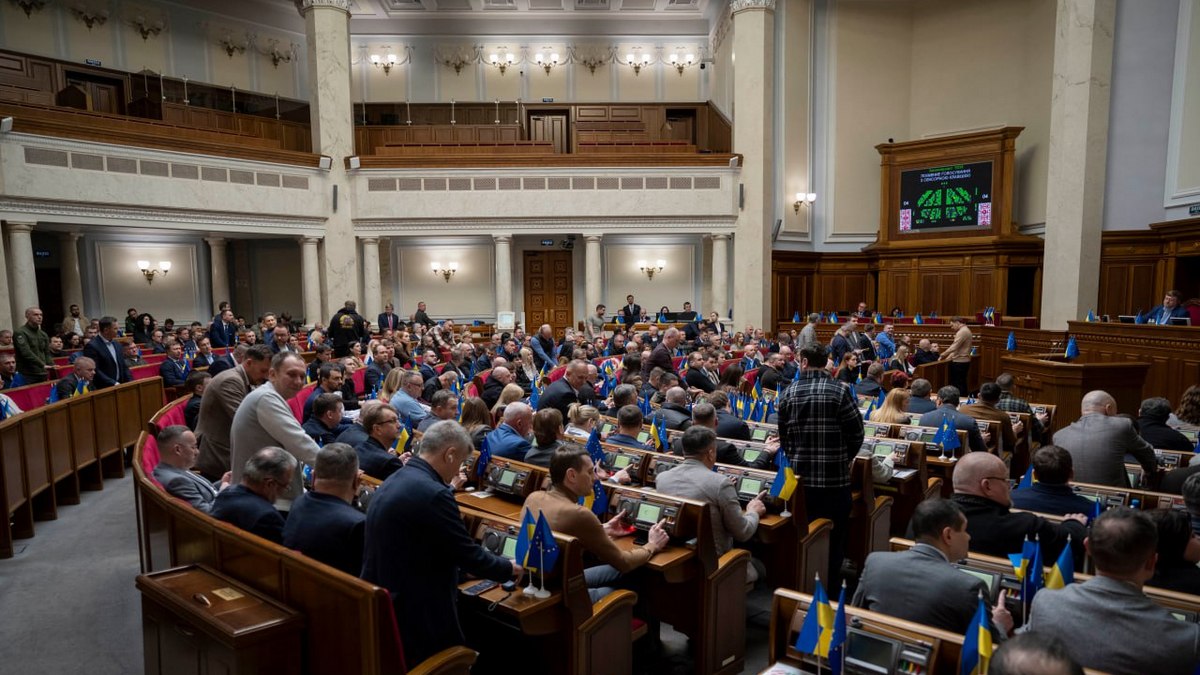
In a significant legislative move, Ukraine’s Verkhovna Rada has officially endorsed a comprehensive sanctions package targeting the entire Russian financial and banking system, including a specific focus on cryptocurrency assets. The parliamentary decision formally ratifies an earlier ruling by the National Security and Defense Council (NSDC), extending restrictive measures for an unprecedented 50-year period against what lawmakers described as “virtually all” of Russia’s financial infrastructure.
The vote represents one of the most extensive economic warfare measures adopted by Ukraine since Russia’s full-scale invasion began in February 2022. By including digital currencies in the sanctions framework, Ukrainian legislators have acknowledged the growing role that cryptocurrencies play in modern financial systems and their potential use in circumventing traditional banking restrictions.
Comprehensive Financial Warfare Strategy
The decision to implement sectoral sanctions lasting half a century signals Ukraine’s long-term strategic approach to economic pressure against Russia. Unlike targeted sanctions that focus on specific individuals or entities, sectoral sanctions affect entire industries and economic segments, making them significantly more impactful. The inclusion of cryptocurrency in this framework addresses a critical gap that has concerned Western financial regulators since the war began.
Financial experts have long warned that digital assets could serve as a potential loophole for sanctioned entities seeking to move funds internationally. Russia has shown increasing interest in cryptocurrency adoption, with some Russian officials publicly discussing the use of digital currencies for international trade settlements as traditional banking channels have been restricted. By explicitly targeting Russian cryptocurrency operations, Ukraine aims to close this potential avenue for sanctions evasion.
Historical Context and International Implications
Ukraine’s sanctions regime has evolved significantly since 2014, when Russia first annexed Crimea and began supporting separatist forces in the Donbas region. However, the current measures represent an unprecedented escalation in both scope and duration. The 50-year timeframe effectively ensures that these restrictions will remain in place for generations, reflecting Ukrainian lawmakers’ assessment that normalization of relations with Russia is not foreseeable in the near or medium-term future.
The parliamentary action aligns with broader international efforts to isolate Russia economically. The European Union, United States, United Kingdom, and other Western allies have implemented multiple rounds of sanctions since 2022, targeting Russian banks, oligarchs, and key industries including energy and technology sectors. However, Ukraine’s explicit inclusion of cryptocurrency represents a pioneering approach that could serve as a model for other nations seeking to strengthen their sanctions frameworks against digital asset exploitation.
Cryptocurrency’s Role in Modern Conflict
The cryptocurrency dimension of these sanctions carries particular significance given Ukraine’s own embrace of digital currencies during the conflict. Ukraine has received hundreds of millions of dollars in cryptocurrency donations since the war began, demonstrating the dual-use nature of these technologies in modern warfare. The country has also been at the forefront of developing regulatory frameworks for digital assets, passing landmark legislation to legalize and regulate cryptocurrency in 2022.
Industry analysts note that enforcing cryptocurrency sanctions presents unique technical challenges compared to traditional financial restrictions. The decentralized nature of blockchain technology means that transactions cannot be blocked through conventional banking channels. However, the sanctions create legal frameworks that can be enforced against exchanges, wallet providers, and other intermediaries operating within jurisdictions that recognize Ukrainian law or maintain cooperative relationships with Kyiv.
Expert Opinion: The 50-year duration of these sanctions represents a paradigm shift in economic warfare strategy, signaling that Ukraine views the conflict with Russia as a generational challenge requiring permanent structural responses. The explicit targeting of cryptocurrency assets demonstrates sophisticated understanding of modern financial evasion techniques and may prompt other Western nations to strengthen their own digital asset sanctions frameworks. This legislative action effectively positions Ukraine as a leader in developing comprehensive sanctions regimes adapted to 21st-century financial realities.