
The unprecedented “transport visa-free” agreement between Ukraine and the European Union has fundamentally transformed freight transportation during wartime conditions, creating new opportunities while simultaneously presenting challenges that must be addressed for the arrangement’s continuation. What began as an emergency response to Russia’s full-scale invasion has evolved into a cornerstone of Ukraine’s economic survival and a potential pathway toward complete integration with European transport systems.
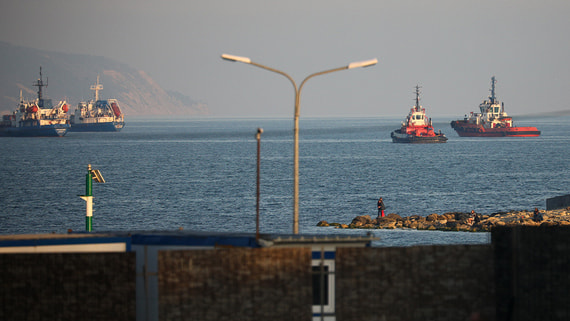
When Russia launched its full-scale invasion of Ukraine in February 2022, the country’s logistics infrastructure faced immediate catastrophe. Traditional export routes through Black Sea ports became inaccessible due to naval blockades and military threats, leaving millions of tons of grain and other goods stranded. In response, the European Commission activated the Solidarity Lanes initiative in May 2022, followed by the landmark Agreement on Freight Transport, which effectively eliminated the need for Ukrainian carriers to obtain individual permits for EU territory operations.
The Mechanics of Transport Liberalization
The transport visa-free regime operates on principles of mutual recognition and simplified administrative procedures. Prior to this agreement, Ukrainian transport companies faced a complex web of bilateral permit requirements, quotas, and bureaucratic obstacles that significantly limited their access to European markets. Each journey into EU territory required specific authorizations, often involving lengthy waiting periods and substantial costs that made many routes economically unviable.
Under the current arrangement, Ukrainian carriers can operate freely within EU member states, transporting goods without the traditional permit requirements. This liberalization has proven essential for redirecting Ukraine’s export flows westward, with land-based transportation partially compensating for lost maritime capacity. Statistics indicate that freight volumes through western border crossings have increased dramatically, with some crossing points reporting traffic increases of 200-300% compared to pre-war levels.
Economic Impact and Industry Transformation
The economic implications of this arrangement extend far beyond simple logistics facilitation. Ukrainian transport companies have gained unprecedented access to European markets, allowing them to compete directly with established EU carriers. This competition has generated both opportunities and tensions, as some European transport associations have raised concerns about market saturation and competitive pressures on domestic operators.
For Ukraine’s economy, the transport agreement has been nothing short of transformative. Agricultural exports, which constitute a significant portion of the country’s foreign exchange earnings, have continued flowing despite wartime disruptions. The World Bank estimates that the Solidarity Lanes have facilitated the export of over 60 million tons of Ukrainian goods since their establishment, generating billions of dollars in revenue that supports both the war effort and civilian population.
However, the arrangement has also exposed infrastructure limitations and created new bottlenecks. Border crossing points, originally designed for much lower traffic volumes, have struggled to accommodate the surge in freight movement. Waiting times at some crossings have extended to several days, prompting calls for infrastructure investment and procedural improvements.
Challenges and Requirements for Extension
As discussions regarding the agreement’s extension intensify, several critical issues require resolution. European transport associations have advocated for the introduction of safeguard mechanisms that would protect domestic carriers from potential market distortions. These proposals include monitoring systems to track traffic flows and trigger consultations if predetermined thresholds are exceeded.
Ukrainian authorities and industry representatives argue that maintaining unrestricted access remains essential for the country’s economic stability during ongoing hostilities. They emphasize that any restrictions would disproportionately impact Ukraine’s ability to sustain its economy and support reconstruction efforts. The negotiations thus involve balancing legitimate concerns from EU member states with Ukraine’s critical need for continued market access.
Technical harmonization represents another significant consideration. Full integration with EU transport standards requires substantial investments in vehicle fleet modernization, driver training programs, and administrative capacity building. Progress in these areas will likely influence the long-term framework governing Ukraine-EU transport relations and may ultimately determine whether the current emergency arrangement evolves into permanent institutional integration.
Expert Opinion: The transport visa-free agreement represents a critical test case for Ukraine’s broader European integration ambitions. If successfully transitioned from emergency measure to permanent arrangement with appropriate safeguards, it could serve as a template for other sectors seeking accelerated integration. The key challenge lies in demonstrating that liberalization benefits both parties while addressing legitimate competitive concerns from EU carriers—a balance that will likely require innovative monitoring mechanisms and phased harmonization timelines extending well beyond the current hostilities.