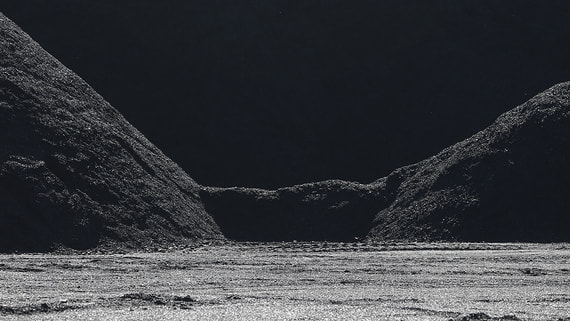
The ambitious Syradasay coal deposit development project on Russia’s Taymyr Peninsula has encountered significant obstacles, with costs escalating and timelines being pushed back due to critical infrastructure challenges. The project operator, Northern Star (Severnaya Zvezda), finds itself in a difficult position as there is currently nowhere to export the raw materials from this remote Arctic region, and no viable transportation means to move the extracted coal to potential markets.
Project Background and Strategic Importance
The Syradasay coal deposit represents one of Russia’s most significant untapped coal reserves, located in the extreme northern reaches of the Krasnoyarsk Krai on the Taymyr Peninsula. The deposit contains high-quality coking coal, which is essential for steel production and commands premium prices on international markets. When initially announced, the project was positioned as a flagship development that would help Russia expand its presence in Asian coal markets, particularly targeting China, India, and Southeast Asian nations seeking alternatives to traditional suppliers.
Northern Star, the company tasked with developing the deposit, is part of a broader Russian strategy to exploit Arctic resources as climate change makes previously inaccessible regions more economically viable. The original project timeline envisioned first coal shipments within a relatively aggressive timeframe, capitalizing on growing global demand for metallurgical coal. However, the harsh realities of Arctic development have proven more challenging than initial projections suggested, leading to the current situation where costs have ballooned and critical infrastructure remains incomplete.
Infrastructure Challenges and Logistical Hurdles
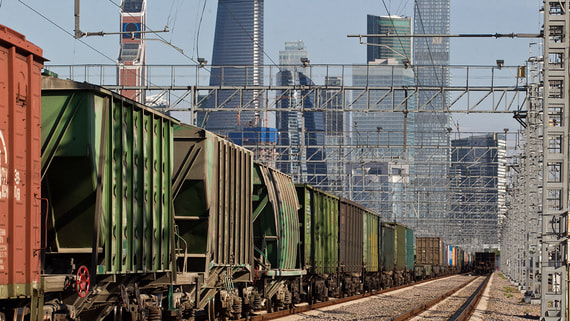
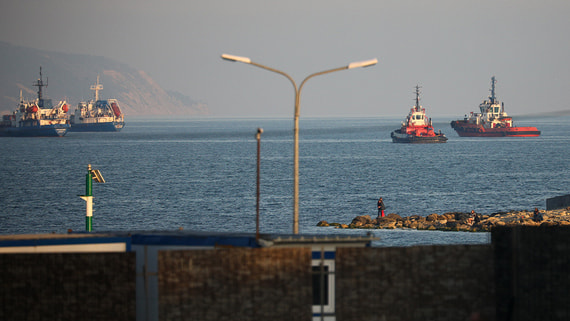
The primary obstacle facing the Syradasay project is the complete absence of export infrastructure in this remote corner of Russia. Unlike more established mining regions, the Taymyr Peninsula lacks basic transportation networks, port facilities, and year-round shipping routes necessary for bulk commodity exports. The Northern Sea Route, while increasingly navigable due to melting Arctic ice, still presents significant challenges including limited seasonal windows for non-ice-class vessels, unpredictable weather conditions, and the need for expensive icebreaker support during much of the year.
Building the necessary infrastructure from scratch in Arctic conditions presents extraordinary engineering and financial challenges. Construction seasons are extremely short, lasting only a few months during the brief Arctic summer. All materials, equipment, and workers must be transported thousands of kilometers from established population centers, adding enormous costs to every aspect of development. The permafrost terrain requires specialized construction techniques, and environmental regulations in sensitive Arctic ecosystems add additional compliance requirements that further extend timelines and budgets.
Financial Implications and Market Considerations
The cost overruns at Syradasay reflect a broader pattern seen in Arctic resource development projects worldwide. Initial estimates often fail to account for the full complexity of operating in extreme environments, and unforeseen challenges inevitably emerge as projects progress. For Northern Star, the escalating costs raise serious questions about the project’s ultimate profitability, particularly given the volatile nature of global coal markets and increasing pressure on fossil fuel investments from environmental concerns and the global energy transition.
International sanctions imposed on Russia following geopolitical tensions have further complicated the financial picture. Access to Western technology, financing, and expertise has been severely restricted, forcing Russian companies to seek alternatives from Asian partners or develop domestic solutions. These constraints add both time and cost to already challenging projects, and the Syradasay development has not been immune to these broader economic pressures affecting Russia’s resource extraction sector.
Future Outlook and Industry Response
Despite the current setbacks, Russian authorities and Northern Star maintain their commitment to eventually bringing the Syradasay deposit into production. The project remains strategically important for Russia’s long-term economic planning, particularly as the country seeks to diversify export revenues and strengthen ties with Asian trading partners. However, the revised timelines and increased capital requirements mean that first production is now expected significantly later than originally planned, and the final investment required to achieve operational status continues to grow.
Industry analysts note that the challenges facing Syradasay are not unique but rather illustrative of the difficulties inherent in Arctic resource development. As climate change opens new possibilities for northern extraction, projects must still contend with extreme conditions, enormous distances from markets, and the need to build entire industrial ecosystems in previously untouched wilderness areas. The lessons learned from Syradasay will likely inform future Arctic ventures, though whether the ultimate outcome validates the investment remains to be seen.
Expert Opinion: The Syradasay delays highlight a fundamental miscalculation in Arctic resource development economics, where initial optimism often collides with logistical realities that can triple or quadruple projected costs. Given current geopolitical constraints and the accelerating global shift away from coal dependence, Northern Star may need to secure long-term offtake agreements with Asian buyers before additional investment becomes viable. The project’s ultimate success will depend not just on overcoming infrastructure challenges, but on whether premium coking coal prices remain high enough to justify what has become one of the most expensive coal developments in history.