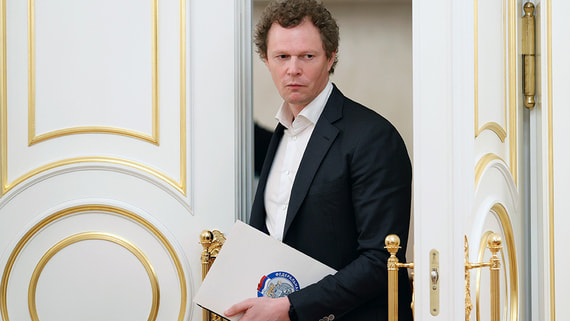

The head of Russia’s Federal Tax Service (FNS) has announced that value-added tax (VAT) revenues have shown significant growth following the recent rate increase, effectively dispelling earlier pessimistic forecasts about the impact of the tax reform on the federal budget. FNS Director Daniil Egorov emphasized that concerns about potential negative consequences of the tax amendments have not materialized, with collection figures exceeding initial expectations.
VAT Reform and Revenue Performance
The announcement comes amid ongoing discussions about Russia’s fiscal policy and the government’s efforts to strengthen budget revenues during a challenging economic period. Prior to the implementation of the higher VAT rate, numerous economists and business representatives had expressed concerns that the increase could lead to reduced consumer spending, business activity contraction, and potentially lower overall tax collections due to economic slowdown effects. However, according to Egorov’s statements, these pessimistic scenarios have failed to materialize.
Russia’s VAT system has undergone several transformations over the past decades. The country first introduced VAT in 1992 following the dissolution of the Soviet Union, initially setting it at 28 percent before gradually reducing it to 20 percent in 1993, and then to 18 percent in 2004, where it remained for fifteen years. The recent increase marked a return to the 20 percent rate, representing a significant policy shift aimed at generating additional budget revenues for national development projects and social programs.
Economic Context and Expert Analysis
The VAT increase was part of a broader package of fiscal measures designed to finance ambitious infrastructure and social development programs outlined in national projects. Economists had initially warned that the higher tax burden could accelerate inflation and dampen consumer demand, particularly affecting lower-income households who spend a larger proportion of their income on goods and services subject to VAT. The Federal Tax Service’s positive assessment suggests that the Russian economy has demonstrated greater resilience than anticipated.
Tax collection efficiency has been a priority for Russian authorities in recent years, with the FNS implementing advanced digital systems for monitoring transactions and reducing tax evasion. The introduction of online cash registers connected to tax authority servers in real-time, along with automated VAT invoice matching systems, has significantly improved compliance rates and reduced the shadow economy’s footprint. These technological improvements likely contributed to the stronger-than-expected revenue performance following the rate increase.
Budget Implications and Future Outlook
The robust VAT collection figures have important implications for Russia’s federal budget planning and the government’s ability to fund priority programs. VAT represents one of the largest sources of revenue for the Russian federal budget, alongside oil and gas revenues and income taxes. Strong performance in non-oil tax collection is particularly significant as the country seeks to reduce its dependence on hydrocarbon exports and build a more diversified and sustainable fiscal base.
Looking ahead, the Federal Tax Service continues to focus on modernizing its operations and improving the business environment for compliant taxpayers while maintaining strict enforcement against tax evasion. The positive results from the VAT rate increase may influence future policy decisions regarding tax rates and the structure of Russia’s tax system. As the global economic environment remains uncertain, maintaining strong domestic revenue collection will be crucial for Russia’s fiscal stability and its ability to pursue strategic economic and social objectives.
Expert Opinion: The successful VAT revenue growth following the rate increase demonstrates the effectiveness of Russia’s digital tax administration reforms, which have significantly reduced evasion opportunities. Going forward, the sustainability of these collection gains will depend on overall economic growth and consumer spending patterns. Other emerging economies may look to Russia’s experience as a model for implementing tax increases while minimizing economic disruption through enhanced compliance mechanisms.