Russian steel giant Severstal has reported a significant decline in its financial performance during the first half of 2024, with revenue falling by 14% compared to the same period last year. The company’s financial indicators continue to face substantial pressure from unfavorable pricing conditions in the global and domestic steel markets, reflecting broader challenges affecting the metallurgical industry worldwide.
The revenue decline underscores the difficult operating environment that major steel producers have been navigating throughout 2024. Severstal, one of Russia’s largest vertically integrated steel and mining companies headquartered in Cherepovets, has historically been known for its operational efficiency and strong market position. However, even industry leaders have found it challenging to maintain growth trajectories amid fluctuating demand patterns and compressed profit margins that have characterized the sector in recent quarters.
Market Dynamics and Pricing Pressures
The pricing environment for steel products has been notably volatile, influenced by multiple factors including shifting global demand patterns, changes in construction activity, and evolving trade dynamics. Steel prices have experienced downward pressure as major economies grapple with slower growth rates and reduced infrastructure spending in certain sectors. The situation has been particularly challenging for Russian producers who have had to adapt to reconfigured export routes and new market realities following geopolitical developments in recent years.
Industry analysts note that the steel sector globally has been experiencing a cyclical downturn, with oversupply concerns in certain product categories adding to pricing pressures. Chinese steel production, which accounts for approximately half of global output, has continued to influence international pricing benchmarks. Meanwhile, domestic Russian demand has shown mixed signals, with some segments demonstrating resilience while others have contracted, creating an uneven landscape for producers to navigate.
Company Background and Strategic Position
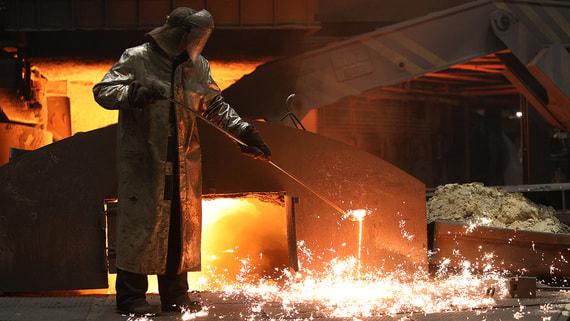
Severstal, founded in 1955 as part of the Soviet industrialization effort, has grown into one of the world’s most cost-efficient steel producers. The company operates an integrated business model that spans from iron ore and coal mining to steel production and downstream processing. This vertical integration has historically provided Severstal with competitive advantages in terms of raw material security and cost management, though these benefits can be partially offset during periods of weak finished product pricing.
The company’s primary production facilities are located in the Vologda region, where it operates the Cherepovets Steel Mill, one of the largest integrated steel plants in Russia. Severstal has made significant investments in modernizing its facilities over the years, focusing on improving energy efficiency, product quality, and environmental performance. The company produces a diverse range of steel products including hot and cold-rolled flat steel, galvanized steel, and various specialty products serving automotive, construction, and machinery sectors.
Industry Outlook and Future Challenges
Looking ahead, the Russian steel industry faces a complex set of challenges and opportunities. Domestic infrastructure projects and housing construction programs continue to provide baseline demand, though the pace of new project launches has been subject to budgetary constraints and shifting economic priorities. The industry has also been working to develop new export markets and logistics routes to compensate for disrupted traditional trading relationships.
Despite the current headwinds, Severstal has maintained its focus on operational excellence and cost optimization strategies that have served the company well through previous market cycles. The company continues to invest in technological upgrades and efficiency improvements, positioning itself for potential recovery when market conditions improve. Management has emphasized the importance of maintaining financial discipline while preserving core operational capabilities during this challenging period.
Expert Opinion: The 14% revenue decline at Severstal reflects broader structural challenges facing the global steel industry, not merely company-specific issues. As pricing pressures persist and major economies continue adjusting their industrial policies, vertically integrated producers with strong cost positions like Severstal are better positioned to weather the downturn than less efficient competitors. The second half of 2024 may see some stabilization if infrastructure spending accelerates in key markets, though a full recovery in steel pricing will likely require more significant shifts in global supply-demand dynamics.