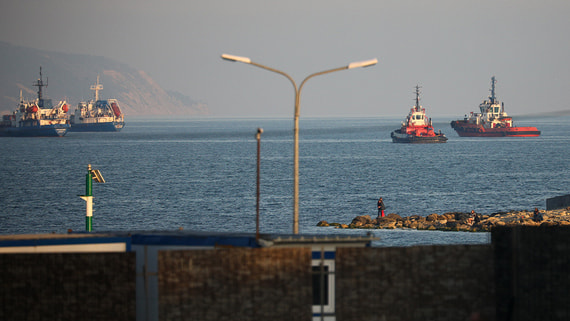
Kazakhstan is facing a serious challenge in its oil export operations as ship owners are increasingly refusing to provide tankers for loading at the Caspian Pipeline Consortium (CPC) terminal. This development could force the Central Asian nation to consider reducing its oil production volumes, creating significant economic implications for a country that relies heavily on hydrocarbon exports for its national budget and economic stability.
The reluctance of tanker operators to service the CPC terminal represents a growing trend that has been building over recent months. Industry sources indicate that the refusals are primarily linked to concerns about sanctions risks, insurance complications, and the overall geopolitical uncertainty surrounding oil shipments from the region. The situation has created a bottleneck in Kazakhstan’s primary oil export route, threatening to disrupt the carefully balanced supply chain that connects Central Asian oil fields to global markets.
The Strategic Importance of the CPC Terminal
The Caspian Pipeline Consortium represents one of the most critical pieces of energy infrastructure connecting Kazakhstan to international oil markets. The pipeline stretches approximately 1,500 kilometers from the Tengiz oil field in western Kazakhstan to the marine terminal near Novorossiysk on Russia’s Black Sea coast. This route handles the vast majority of Kazakhstan’s oil exports, with the terminal capable of loading millions of tons of crude oil annually onto tankers destined for European and global markets.
The CPC system was developed through a joint venture involving Kazakhstan, Russia, and several major international oil companies, including Chevron, ExxonMobil, Shell, and others. Since its completion in 2001, the pipeline has served as the economic lifeline for Kazakhstan’s oil industry, enabling the country to monetize its substantial hydrocarbon reserves in the Caspian Sea region. Any disruption to this export route has immediate and far-reaching consequences for Kazakhstan’s economy, which derives a significant portion of its government revenue from oil and gas exports.
Factors Behind Tanker Refusals
The refusal of ship owners to provide vessels for CPC terminal operations stems from a complex web of factors related to the current geopolitical environment. Insurance companies have become increasingly cautious about covering vessels operating in certain regions, leading to higher premiums and, in some cases, outright refusal to provide coverage. This has made it economically unviable for some shipping companies to accept contracts for loading at the terminal, regardless of the attractive freight rates being offered.
Additionally, the intricate sanctions landscape has created legal uncertainties that many shipping companies prefer to avoid entirely. While Kazakhstan’s oil itself is not subject to sanctions, the fact that it passes through Russian territory and is loaded at a Russian port has created complications. Ship owners and their insurers must navigate complex compliance requirements, and many have concluded that the risks outweigh the potential profits. This situation has been exacerbated by the secondary sanctions concerns, where companies fear being penalized for even indirect connections to sanctioned entities or territories.
Economic Implications for Kazakhstan
If Kazakhstan is forced to reduce oil production due to export constraints, the economic consequences could be substantial. The country’s oil sector accounts for approximately 20 percent of its gross domestic product and provides around 40 percent of government budget revenues. Any significant reduction in output would directly impact state finances, potentially affecting social programs, infrastructure development, and economic diversification efforts that the government has been pursuing.
Kazakhstan has been working to expand its oil production capacity, particularly at the massive Tengiz and Kashagan fields, which represent some of the largest oil discoveries in recent decades. The Kashagan field alone, located in the northern Caspian Sea, is estimated to contain between 9 and 13 billion barrels of recoverable oil reserves. However, all this production potential becomes meaningless if there are no viable routes to deliver the crude to paying customers in international markets.
The government in Astana has been exploring alternative export routes, including increased shipments through the Trans-Caspian route to Azerbaijan and potentially through China via existing pipeline infrastructure. However, these alternatives currently lack the capacity to fully replace the CPC system, and developing additional infrastructure would require significant time and investment. In the meantime, Kazakhstan must work with international partners to find solutions that will keep its primary export route operational and attractive to the shipping industry.
Expert Opinion: The tanker shortage at the CPC terminal represents a critical stress test for Kazakhstan’s energy export strategy and highlights the vulnerabilities of landlocked oil producers dependent on transit routes through third countries. Industry analysts expect Kazakhstan to intensify negotiations with major shipping companies while accelerating investments in the Trans-Caspian middle corridor as a long-term hedge against similar disruptions. The coming months will likely see increased diplomatic engagement between Astana and its Western partners to clarify sanctions compliance frameworks and restore confidence among ship owners and insurers.