Russia’s coal export sector demonstrated remarkable resilience in June, with shipments increasing by 18% compared to the previous period. This significant uptick comes as a welcome development for the Russian mining industry, which has faced numerous challenges in recent years due to shifting global energy policies and international sanctions. The growth was primarily driven by favorable price dynamics in global markets and robust demand from key Asian economies, particularly India and Southeast Asian nations seeking affordable energy sources to fuel their rapid industrial development.
Asian Markets Driving Demand Growth
India and Southeast Asian countries have emerged as crucial destinations for Russian coal exports, effectively compensating for reduced European demand. India, the world’s second-most populous nation, continues to rely heavily on coal-fired power plants to meet its growing electricity needs, with coal accounting for approximately 70% of the country’s power generation. The Indian economy, projected to grow at over 6% annually, requires substantial energy inputs that renewable sources alone cannot yet provide. Meanwhile, nations such as Vietnam, Indonesia, and Thailand have also increased their coal imports to support manufacturing growth and infrastructure development.
The shift in trade patterns reflects broader geopolitical realignments in global energy markets. Following Western sanctions imposed in 2022, Russian energy exporters have systematically redirected their focus toward Asian markets. This pivot has required significant logistical adjustments, including the development of new shipping routes and the expansion of port facilities in Russia’s Far East. Despite initial challenges, these infrastructure investments are now beginning to yield results, enabling more efficient delivery of coal to Asian customers.
Price Dynamics and Market Fundamentals
The favorable price environment has been another critical factor supporting the export surge. Global coal prices have stabilized at levels that make Russian exports economically attractive despite increased transportation costs associated with longer shipping distances to Asian ports. Industry analysts note that Newcastle benchmark prices have remained supportive, hovering around levels that ensure profitability for major Russian producers. Additionally, the relative weakness of the Russian ruble against major currencies has enhanced the competitiveness of Russian coal on international markets, providing exporters with improved margins.
Historical context reveals the significance of this recovery. Russia has consistently ranked among the world’s top coal exporters, typically shipping over 200 million tons annually before recent market disruptions. The country possesses vast coal reserves, estimated at approximately 160 billion tons, concentrated primarily in Siberia and the Russian Far East. Major mining companies have maintained production capacity throughout recent challenges, positioning themselves to capitalize on renewed demand from Asian markets.
Infrastructure Challenges and Future Outlook
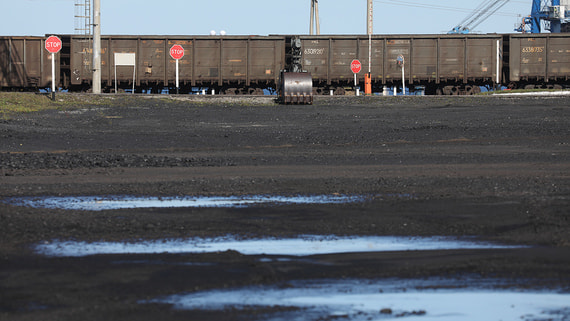
Despite the positive June figures, industry experts caution that sustained growth will depend on addressing persistent infrastructure bottlenecks. The Trans-Siberian Railway and Baikal-Amur Mainline, the primary arteries for transporting coal to Pacific ports, operate near maximum capacity. Russian authorities have announced ambitious plans to expand railway capacity by 2030, but these projects require substantial investment and time to complete. Port facilities at Vladivostok, Vanino, and other Far Eastern terminals are also undergoing upgrades to handle increased coal volumes.
The long-term trajectory of Russian coal exports will also be influenced by global climate policies and the pace of energy transition in key markets. While Asian demand remains strong in the near term, many countries have announced carbon neutrality targets that could eventually reduce coal consumption. However, energy security concerns and the practical challenges of rapidly deploying renewable capacity suggest that coal will remain an important part of the global energy mix for decades to come. For Russian exporters, maintaining competitive pricing and reliable delivery will be essential to preserving market share as the industry navigates these evolving dynamics.
Expert Opinion: The 18% export growth signals that Russian coal producers have successfully adapted to post-sanctions market realities, establishing durable trade relationships with Asian partners. However, the sustainability of this growth trajectory hinges critically on infrastructure expansion along eastern transport corridors, which will require investments exceeding $15 billion over the next decade. Industry observers anticipate that Indian demand alone could absorb an additional 30-40 million tons of Russian coal annually by 2027, provided logistics capacity keeps pace.