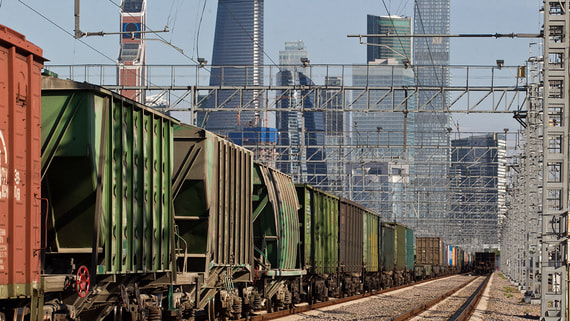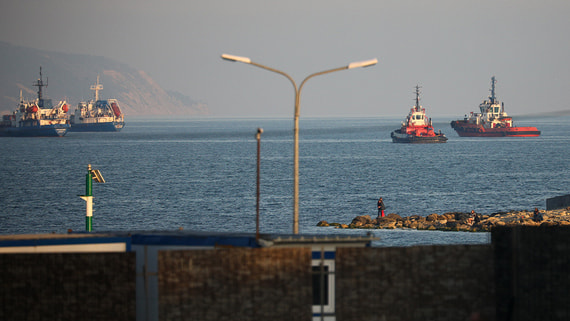
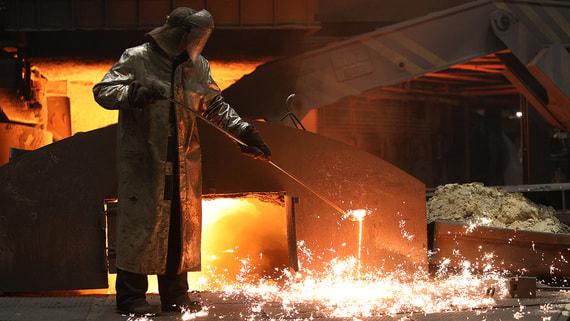
Russian metallurgical companies have significantly reduced their pig iron exports during the first five months of 2024, with shipments declining by 11% compared to the same period last year. The primary driver behind this substantial decrease has been the closure of the European Union market to Russian metal products, forcing domestic producers to seek alternative destinations for their output while grappling with logistical challenges and shifting global trade patterns.
EU Sanctions Impact Russian Metal Trade
The European Union, which historically served as one of the largest importers of Russian pig iron, has progressively tightened restrictions on Russian metallurgical products as part of broader economic sanctions packages implemented since 2022. These measures have effectively shut off a crucial export corridor that Russian steelmakers had relied upon for decades. Prior to the sanctions regime, EU countries imported substantial volumes of Russian pig iron, valued for its competitive pricing and consistent quality. The loss of this market has created a significant void in the export portfolios of major Russian metallurgical enterprises, compelling them to redirect their commercial strategies toward other regions.
The sanctions have not only affected direct sales but have also complicated shipping logistics, insurance arrangements, and financial transactions associated with metal trade. European ports that once regularly received Russian metal cargo have ceased operations with Russian suppliers, while banking restrictions have made payment processing increasingly difficult. This multi-layered disruption has forced Russian companies to establish entirely new supply chains and commercial relationships in a relatively short timeframe.
Market Diversification Efforts and Challenges
In response to the European market closure, Russian metallurgical companies have intensified efforts to redirect exports toward Asian markets, particularly China, India, and Southeast Asian countries. Turkey has also emerged as an important destination, given its geographic proximity and continued trade relations with Russia. However, these alternative markets present their own challenges, including longer shipping distances, increased transportation costs, and more competitive pricing environments. Chinese domestic production capacity, for instance, often limits the premium that Russian exporters can command for their products.
Industry analysts note that the transition to new markets cannot fully compensate for the loss of European demand in the short term. The EU market offered advantages including established logistics infrastructure, predictable demand patterns, and favorable pricing conditions that had developed over many years of commercial relationships. Rebuilding similar arrangements in new markets requires significant time and investment. Additionally, some potential alternative buyers have expressed caution about expanding their dependence on Russian supplies, given the uncertain geopolitical environment and the possibility of secondary sanctions affecting their own international business relationships.
Domestic Market Dynamics and Industry Outlook
The reduction in export volumes has also been influenced by domestic market conditions within Russia. Infrastructure projects, construction activities, and military-industrial production have maintained relatively strong demand for metallurgical products domestically, absorbing some of the output that might otherwise have been directed toward export markets. However, this domestic demand has not been sufficient to fully offset the export decline, leading to production adjustments at some facilities and increased inventory levels at others.
Looking ahead, Russian metallurgical companies face a complex operating environment that will require continued adaptation. The development of new trade corridors, investment in alternative logistics infrastructure, and the cultivation of commercial relationships in non-Western markets will likely remain priorities for the industry. Some analysts suggest that the current challenges may ultimately drive greater efficiency and diversification within the Russian metallurgical sector, though the transition period involves considerable economic costs and operational uncertainties that will persist for the foreseeable future.
Expert Opinion: The 11% decline in Russian pig iron exports represents just the initial phase of a longer structural adjustment for the country’s metallurgical sector. Industry experts anticipate that while Asian markets will gradually absorb more Russian production, the price discounts required to penetrate these competitive markets will squeeze profit margins for years to come. The most successful Russian steelmakers will likely be those who invest in higher value-added products and establish long-term supply agreements with non-Western industrial partners.