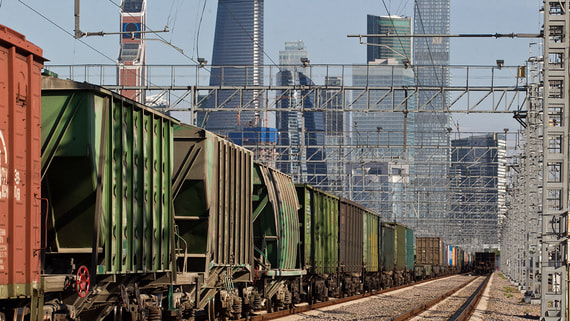
The Russian freight wagon manufacturing industry has experienced a dramatic downturn, with production volumes falling by 35% during the first six months of the year compared to the same period previously. This significant decline reflects a fundamental shift in market dynamics, as industry participants find themselves lacking both the necessity and the financial capacity to acquire new rolling stock. The contraction represents one of the most substantial drops in recent years and signals deeper structural challenges facing the country’s rail transportation sector.
Market Conditions Drive Production Collapse
The steep reduction in wagon manufacturing output stems from a combination of interrelated factors that have converged to suppress demand across the industry. Railroad operators and logistics companies, who traditionally constitute the primary customer base for new freight wagons, are currently facing severe operational and financial constraints that have forced them to postpone or cancel planned fleet expansions. High interest rates have made financing new rolling stock purchases increasingly expensive, while existing wagon fleets remain underutilized due to reduced cargo volumes and persistent logistical bottlenecks throughout the Russian rail network.
Industry analysts note that the current wagon surplus has created a buyer’s market, where secondhand rolling stock is available at significantly discounted prices. This oversupply situation has effectively eliminated any urgency for operators to invest in newly manufactured wagons, further depressing orders at production facilities. Many rail operators have instead opted to extend the service life of existing equipment through repairs and refurbishment programs, a strategy that offers short-term cost savings but may create maintenance challenges in the future.
Historical Context and Industry Evolution
The Russian freight wagon manufacturing sector has historically experienced cyclical fluctuations tied to broader economic conditions and infrastructure investment patterns. Following a period of significant growth in the early 2010s, when aging Soviet-era rolling stock required mass replacement, the industry expanded rapidly with several new production facilities entering the market. Peak production years saw manufacturers delivering over 70,000 new wagons annually, creating substantial overcapacity that has persisted through subsequent market corrections. The current downturn represents an acceleration of trends that began emerging several years ago, as the initial replacement wave subsided and market saturation became increasingly apparent.
The strategic importance of rail freight transportation to the Russian economy cannot be overstated, as railways handle approximately 87% of all freight turnover in the country, excluding pipeline transport. This dependence on rail infrastructure means that disruptions in the wagon manufacturing sector can have cascading effects throughout supply chains, affecting industries from mining and metallurgy to agriculture and energy. Major wagon manufacturers, including Uralvagonzavod and United Wagon Company, have been forced to implement workforce reductions and shortened production schedules to adapt to diminished order books.
Economic Pressures and Future Outlook
The current production decline occurs against a backdrop of broader economic challenges facing Russian industry, including sanctions-related restrictions, supply chain disruptions, and shifting trade patterns. The reorientation of export flows toward Asian markets has created new demands on the rail network while simultaneously straining capacity in certain corridors. These structural changes have complicated investment planning for fleet operators, who must now factor in greater uncertainty regarding future cargo volumes and routing requirements. Additionally, the high cost of capital has made long-term asset investments particularly challenging, with many companies prioritizing liquidity preservation over fleet modernization.
Looking ahead, industry experts anticipate that production levels may stabilize at reduced volumes for an extended period before any meaningful recovery materializes. The timing of a potential rebound will depend heavily on macroeconomic conditions, including interest rate trajectories, overall freight demand patterns, and the resolution of existing network capacity constraints. Some analysts suggest that government intervention through subsidized financing programs or infrastructure investment initiatives could help stimulate demand, though no such measures have been announced. The manufacturing sector’s recovery will ultimately hinge on restored confidence among fleet operators regarding the long-term profitability of new rolling stock investments.
Expert Opinion: The 35% production decline signals a structural market correction rather than a temporary cyclical downturn, suggesting that Russian wagon manufacturers must prepare for a prolonged period of reduced output. Without significant government stimulus or a dramatic improvement in financing conditions, the industry is likely to consolidate further, with smaller producers potentially exiting the market entirely. The key factor to watch will be fleet age metrics over the coming years, as deferred purchases today will eventually translate into urgent replacement demand once existing wagons reach the end of their operational lifespan.