Rising tensions in the Black Sea region have sparked renewed concerns among global energy analysts about the potential disruption to oil supply chains. As geopolitical instability continues to cast a shadow over one of the world’s most strategically important maritime corridors, industry experts are weighing the consequences for international energy markets. While some volumes could theoretically be redirected through alternative routes, such transitions require significant time, infrastructure adjustments, and financial resources that may not be readily available.
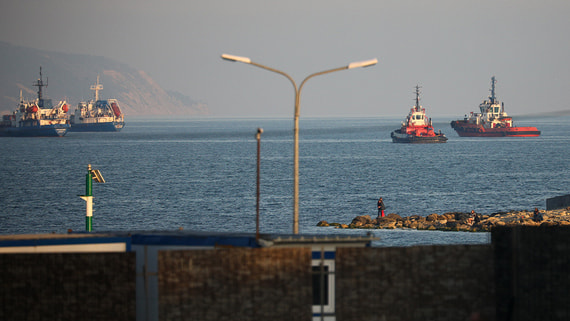
The Black Sea serves as a critical chokepoint for global energy transportation, handling millions of barrels of crude oil exports annually. Russia, Kazakhstan, and Azerbaijan all rely heavily on this maritime route to deliver petroleum products to European and global markets. The region’s ports, including Novorossiysk and the Caspian Pipeline Consortium terminal, process substantial volumes that feed into the global supply chain. Any sustained disruption to these operations could send immediate shockwaves through commodity markets already sensitive to supply concerns.
Strategic Importance of Black Sea Energy Corridors
The Black Sea has historically functioned as a vital energy highway connecting resource-rich Central Asian and Russian territories with European consumers. The Turkish Straits, comprising the Bosphorus and Dardanelles, represent the only maritime exit from the Black Sea to the Mediterranean, making this passage one of the most congested and strategically sensitive waterways in the world. According to the U.S. Energy Information Administration, approximately 3 million barrels of oil pass through these straits daily under normal conditions, representing roughly 3% of global oil supply.
The Caspian Pipeline Consortium, which transports Kazakh crude to the Russian port of Novorossiysk, handles over 1.5 million barrels per day at peak capacity. This infrastructure took decades to develop and represents billions of dollars in investment from international energy companies. Any prolonged disruption to these facilities would not only affect immediate supply but could also deter future investment in regional energy infrastructure, potentially reshaping global energy geography for years to come.
Alternative Routes and Their Limitations
Energy analysts suggest that redirecting oil flows away from Black Sea routes presents significant logistical challenges. Alternative pathways, including the Baltic Sea ports, Far Eastern terminals, and overland pipelines to China, each come with their own constraints. Baltic infrastructure is already operating near capacity, while the Power of Siberia pipeline and eastern routes require different crude oil specifications and have limited excess capacity. The Trans-Siberian railway, another potential alternative, faces seasonal limitations and cannot efficiently handle the volume of liquid hydrocarbons typically shipped via maritime routes.
Dr. Sarah Mitchell, an energy security researcher at the Oxford Institute for Energy Studies, notes that “rerouting significant oil volumes is not simply a matter of changing destinations on shipping manifests. It requires compatible infrastructure, available tanker capacity, and willing buyers at the other end. Each of these factors introduces delays and costs that ultimately translate into price volatility for consumers worldwide.” Historical precedents, including disruptions during the 2008 Russia-Georgia conflict and various pipeline disputes, demonstrate that markets typically respond with immediate price spikes even when actual supply losses prove minimal.
Market Implications and Global Response
Global oil markets have already begun pricing in uncertainty premiums related to Black Sea tensions. Brent crude futures have shown increased volatility, with traders closely monitoring any developments that might affect shipping lanes or port operations. The International Energy Agency has emphasized the importance of maintaining strategic petroleum reserves precisely for situations where regional conflicts threaten supply continuity. Major consuming nations, including the United States, Japan, and European Union members, maintain emergency stockpiles designed to buffer markets against short-term disruptions.
However, strategic reserves represent a temporary solution rather than a sustainable response to prolonged supply constraints. Industry experts estimate that a complete shutdown of Black Sea oil exports would require coordinated international action within weeks to prevent severe market dislocations. OPEC+ members have previously demonstrated willingness to adjust production quotas in response to supply emergencies, though political considerations and production capacity limitations affect their ability to compensate fully for major disruptions.
The insurance and shipping industries have also responded to heightened risks, with war risk premiums for vessels operating in the region increasing substantially. These elevated costs ultimately flow through to consumers, adding to inflationary pressures already affecting global economies. As long as uncertainty persists, energy markets will likely continue experiencing the kind of volatility that complicates economic planning for businesses and governments alike.
Expert Opinion: The current situation underscores the fragility of global energy supply chains that remain heavily dependent on a handful of critical maritime chokepoints. In the medium term, we can expect accelerated investment in alternative transportation infrastructure and renewed emphasis on energy diversification strategies among major consuming nations. The Black Sea crisis may ultimately catalyze a faster transition toward more resilient, geographically distributed energy systems, though this transformation will require sustained political will and substantial capital investment over the coming decade.