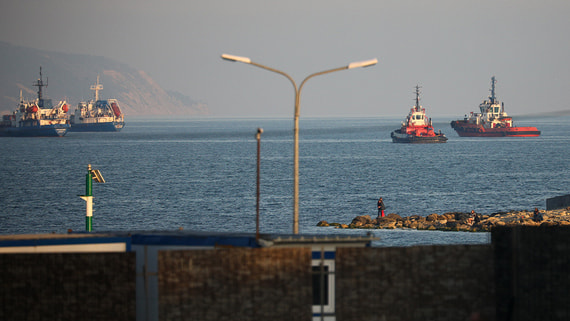

In a striking departure from historical patterns, recent geopolitical tensions in the Persian Gulf region have failed to trigger the dramatic oil price spikes that once defined market responses to Middle Eastern conflicts. While analysts suggest the current crisis is unlikely to develop into a prolonged confrontation, there are growing concerns that investors may be significantly underestimating the risks of large-scale military escalation. This newfound market resilience raises important questions about the fundamental shifts occurring in global energy dynamics and investor psychology.
The Changing Landscape of Global Oil Markets
The transformation in how oil markets respond to Middle Eastern tensions reflects several structural changes that have reshaped the global energy landscape over the past decade. The United States has emerged as the world’s largest oil producer, thanks to the shale revolution that began in the early 2010s. This dramatic shift has fundamentally altered the supply dynamics that once made markets extremely vulnerable to disruptions in the Persian Gulf region. American shale producers can now respond relatively quickly to supply shortages, providing a buffer that simply did not exist during previous crises such as the 1973 oil embargo or the 1990 Gulf War.
Additionally, strategic petroleum reserves held by major consuming nations have reached historically high levels, providing governments with tools to stabilize markets during temporary supply disruptions. The International Energy Agency coordinates these reserves among its member nations, creating a coordinated response mechanism that can release millions of barrels onto the market within days of a supply emergency. China, the world’s largest oil importer, has also built substantial strategic reserves, further reducing the potential for panic-driven price spikes.
Investor Complacency and Hidden Risks
Despite the structural changes supporting market stability, several energy analysts and geopolitical experts warn that current market pricing may reflect dangerous complacency. The Persian Gulf remains the transit route for approximately 20 percent of global oil supplies, with the Strait of Hormuz representing one of the world’s most critical chokepoints. Any sustained military conflict that disrupts shipping through this narrow waterway could overwhelm the capacity of alternative suppliers and strategic reserves to compensate for lost barrels.
Historical precedent suggests that markets often fail to adequately price in tail risks until they materialize. The 2019 drone attacks on Saudi Arabia’s Abqaiq processing facility temporarily knocked out half of the kingdom’s production capacity, causing the largest single-day percentage gain in oil prices in decades. While prices quickly retreated as production was restored faster than expected, the incident demonstrated the continued vulnerability of critical energy infrastructure to modern asymmetric warfare tactics. The proliferation of drone technology and precision missiles throughout the region has only increased these risks.
The Role of Energy Transition and Demand Concerns
Another factor dampening oil’s sensitivity to geopolitical risk is the accelerating global energy transition. Investors increasingly view oil demand as approaching a structural plateau, with electric vehicle adoption, renewable energy deployment, and efficiency improvements all contributing to expectations of peak oil demand within the coming decade. This long-term bearish outlook makes traders less inclined to bid up prices aggressively during supply scares, as they anticipate that any shortage will be temporary while demand erosion is permanent.
The psychological impact of climate policy commitments has also shifted market dynamics. Major consuming nations have pledged to achieve net-zero emissions by mid-century, implying dramatic reductions in fossil fuel consumption. This policy backdrop creates a ceiling effect on prices, as very high oil prices would accelerate the transition away from petroleum while simultaneously encouraging additional investment in production. The result is a market that tends to mean-revert more quickly than in previous decades, limiting both the magnitude and duration of price spikes.
Nevertheless, the disconnect between geopolitical reality and market pricing deserves careful attention. Iran’s nuclear program, ongoing conflicts involving various regional actors, and the ever-present risk of miscalculation create a volatile environment that could rapidly shift from tension to open warfare. Smart investors and policymakers would be wise to maintain hedging strategies and contingency plans that account for scenarios the market appears to be discounting.
Expert Opinion: The current market complacency regarding Middle Eastern geopolitical risks represents a potential mispricing of tail-risk events that could have severe consequences for unprepared portfolios. While structural changes in global supply have genuinely reduced oil market volatility, the concentration of critical infrastructure in vulnerable locations means that a single successful attack could trigger price movements far exceeding what current option premiums suggest. Investors should consider that the next major supply disruption may coincide with depleted spare capacity, creating a perfect storm scenario that markets are currently treating as nearly impossible.